Charlotte Geater (UK)
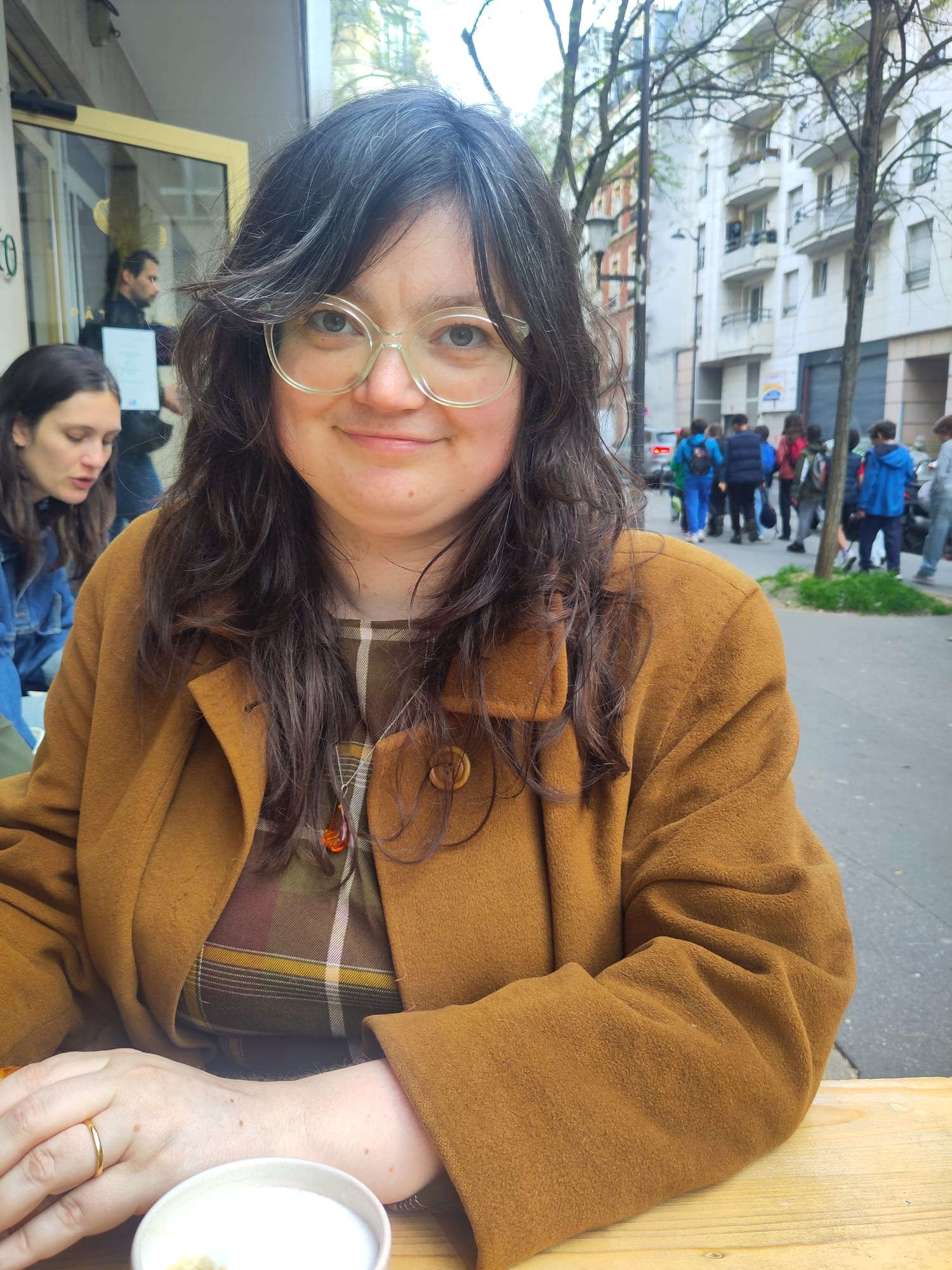
Charlotte Geater lives in London and works for a public library. Her poetry has been published in Clinic, Strange Horizons, and the Poetry Review. She won the White Review Poet’s Prize in 2018 and the UEA New Forms Award for hybrid writing in 2021. Her pamphlet Poems For My FBI Agent was published by Bad Betty Press in 2020.
Opening the Black Box
mai – 15. mai
David Hartley (UK)
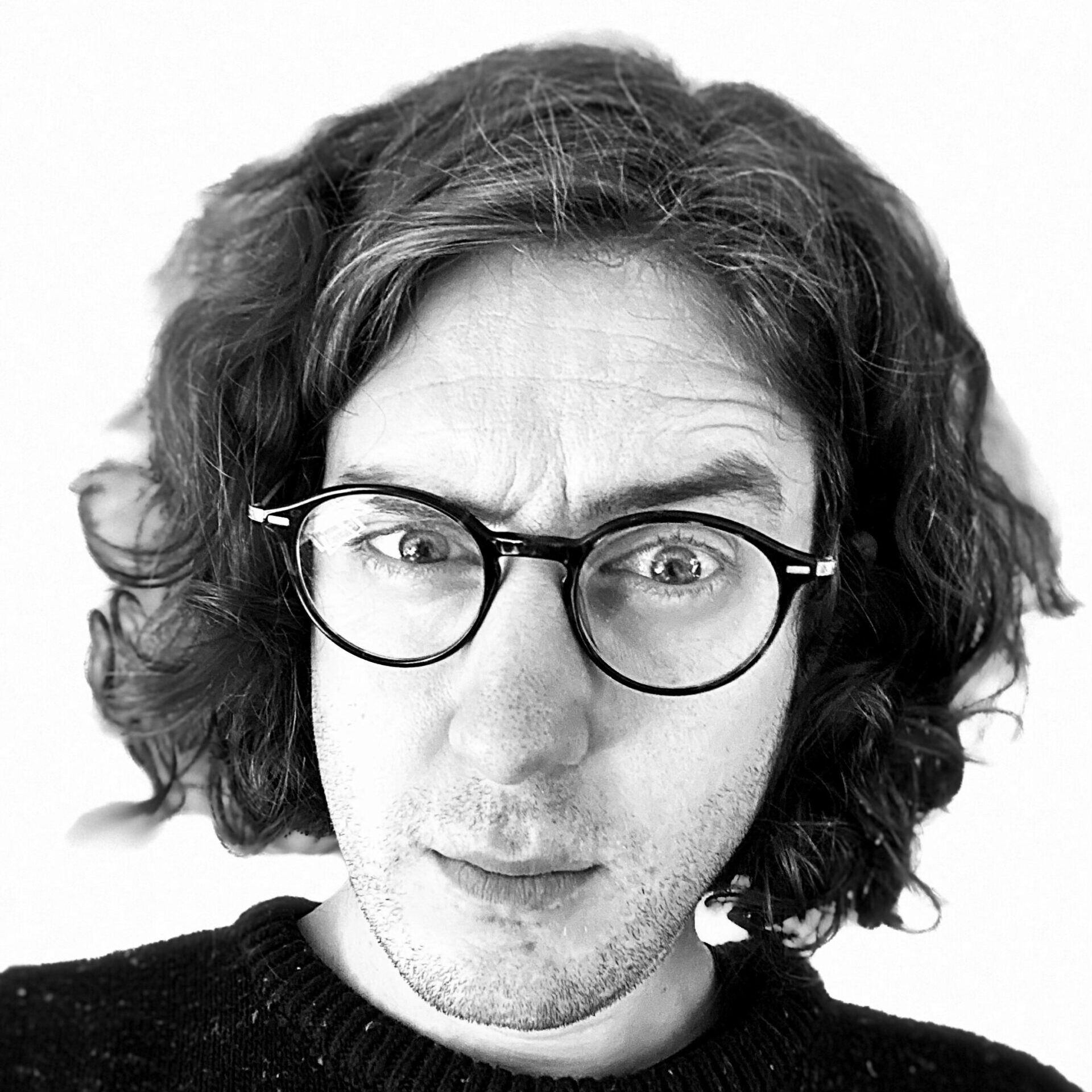
David Hartley was kidnapped during the 2023 Prima Vista festival and placed inside an ancient pine tree deep inside a forbidden forest. While there, he befriended the animals by giving them copies of his short story collection “Fauna” (Fly on the Wall Press, 2021), which they greatly appreciated. In return, they fetched him food and water and taught him essential survival techniques, many of which he has now forgotten. He managed to escape and made it home to Manchester, UK where wrote a series of dark folktales inspired by the experience. Using the tricks of their resident artistic wizard Henri Hütt, the Prima Vista festival has enticed him into returning for 2024 to present his findings. For one day only, he will be exhibited to the public
during “The Forest of Ink & Skin”, created in collaboration with Henri. He urges you to attend in case it’s the last thing he ever does.
He can also be found on Instagram: @DHartleyWriter, and if you’d like to while away some time, many of his weird little tales can be found for free on davidhartleywriter.com
Opening the Black Box
11 May – 15 May
Llew Watkins (UK)
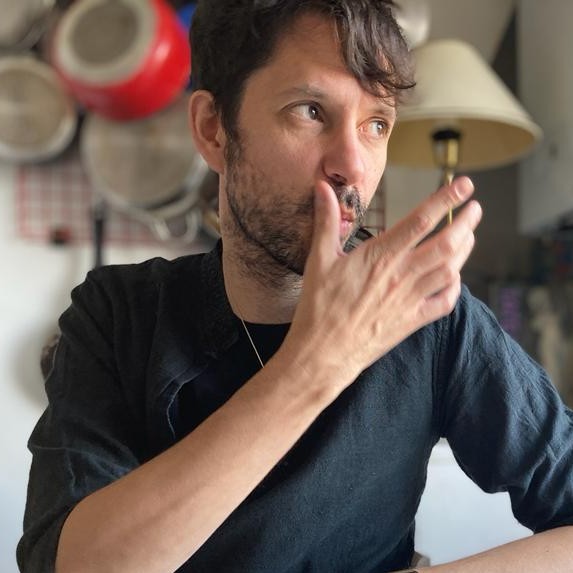
Llew Watkins, a PhD researcher at the University of Sheffield, explores experience as world enactment. He works at the intersections of embodied narratology, Buddhist thought, and the philosophy of Eugene Gendlin to develop a cross-cultural understanding of the mind-world relationship. This investigation continues through his novel writing project Hinterland Shift, and accompanying sculptural installations. He is a Buddhist practitioner with over twenty years of experience in the Tibetan traditions.
He can also be found: Making arcane rituals at stone circles with the Dark Moon Collective (co-founder). Creating nurturing spaces for awakening with Black Mountain Meditation (co-founder). And practicing radical pedagogies through the Embodied Critical Thinking and Understanding Community of Practice (project lead).
Opening the Black Box
11 May – 15 May
Debra Vidali (USA)
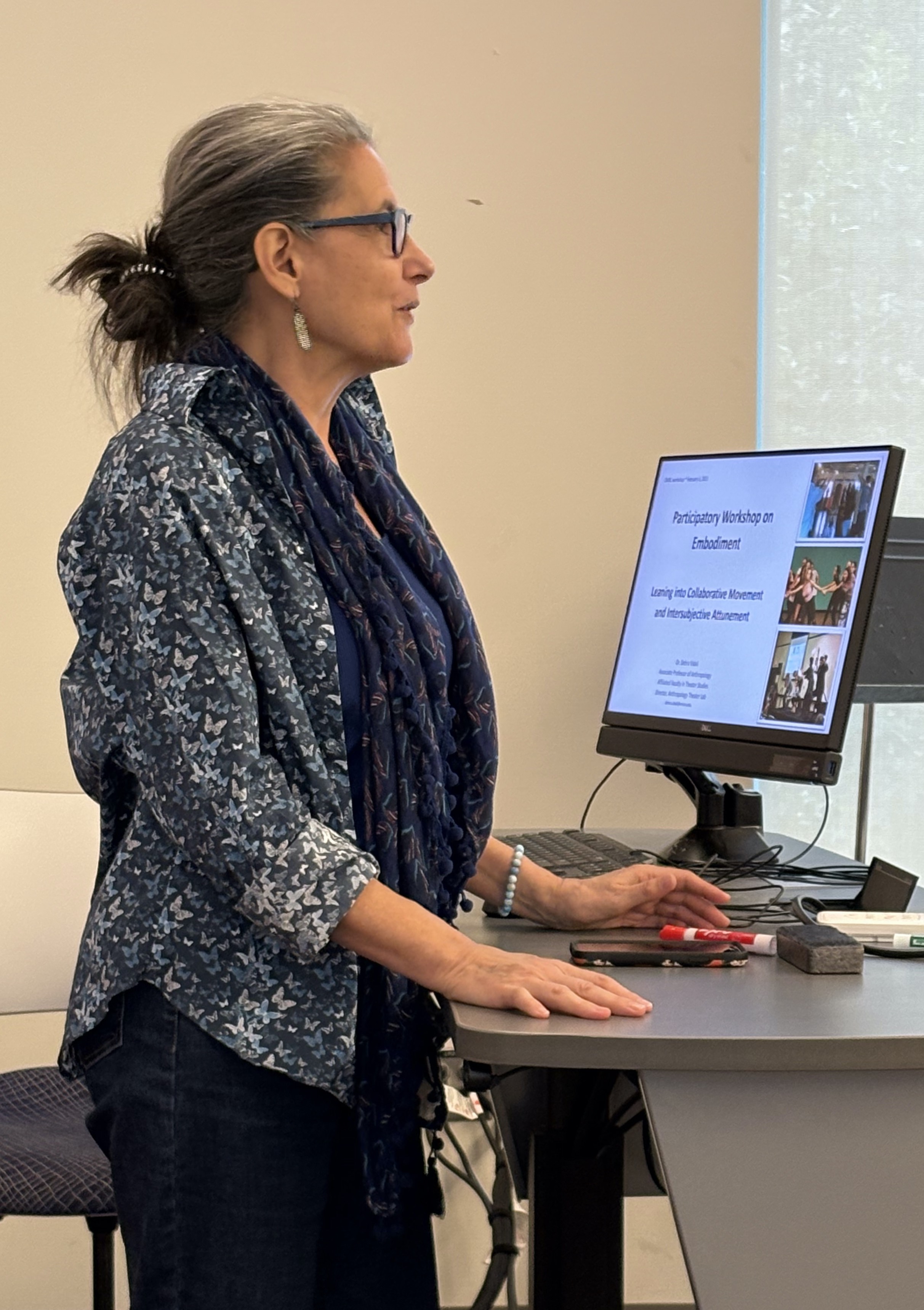
Debra Vidali produces hybrid work through words, sounds, bodies, space, observation, images, speculation, and performance modalities. She works as a sociocultural anthropologist, experimental ethnographer, theater-maker, poet, and linguist. Her research and teaching focus on embodied, non-linear, and multisensorial forms of knowledge production, understood through lenses of both craft and epistemological invitations/disruptions. Recent projects explore themes of generational wisdom, ancestral voices, Indigenous sovereignty, civic engagement, media overload, the phenomenology of time, and the frontiers of knowing. Vidali is Director of the Anthropology Theater Lab, Associate Professor in the Department of Anthropology, and Affiliated Faculty in the Department of Theater Studies at Emory University.
Opening the Black Box
11 May – 15 May
JAQ (UK)
Jaq is a visual and sculptural artist working in both physical and digital media, from collage to bronze to 3d modeling and printing.
Opening the Black Box
11 May – 15 May
Kwame Phillips (UK)
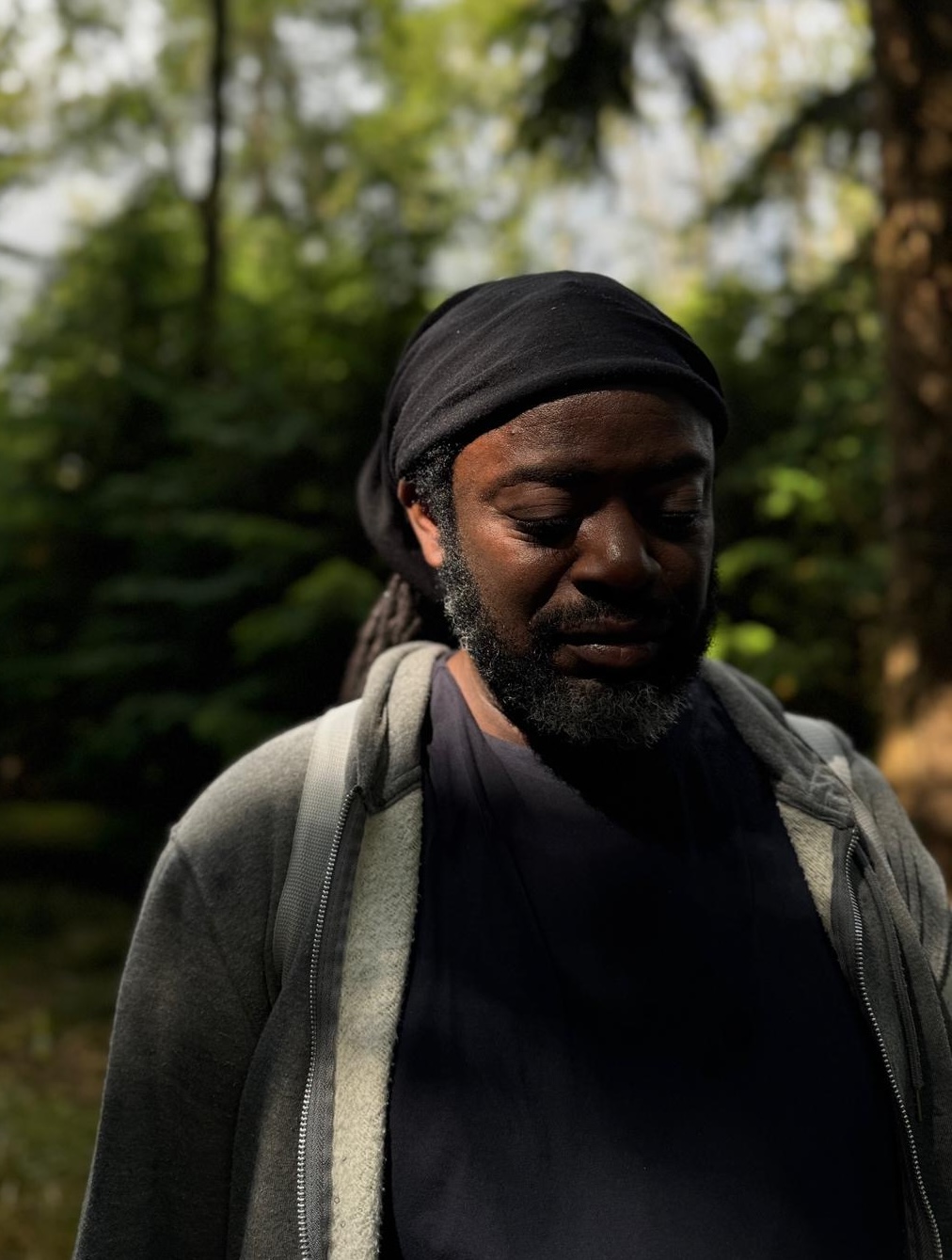
Kwame Phillips is Senior Lecturer in Media Practices at the Winchester School of Art and co-director of the Critical Infrastructures and Image Politics research group (CIIP), specialising in sensory media production, mixtape scholarship and critical media studies. Phillips’ work uses multimodal and experimental methodologies, often grounded in remix and repurposing, to explore and express embodiments of resistance and survival. Phillips’ work often involves teaching in underserved communities and he has taught workshops in Brazil, Thailand, The Maldives, Pakistan, and Palestine.
Opening the Black Box
11 May – 15 May
Arjan Guerrero (Mexico)
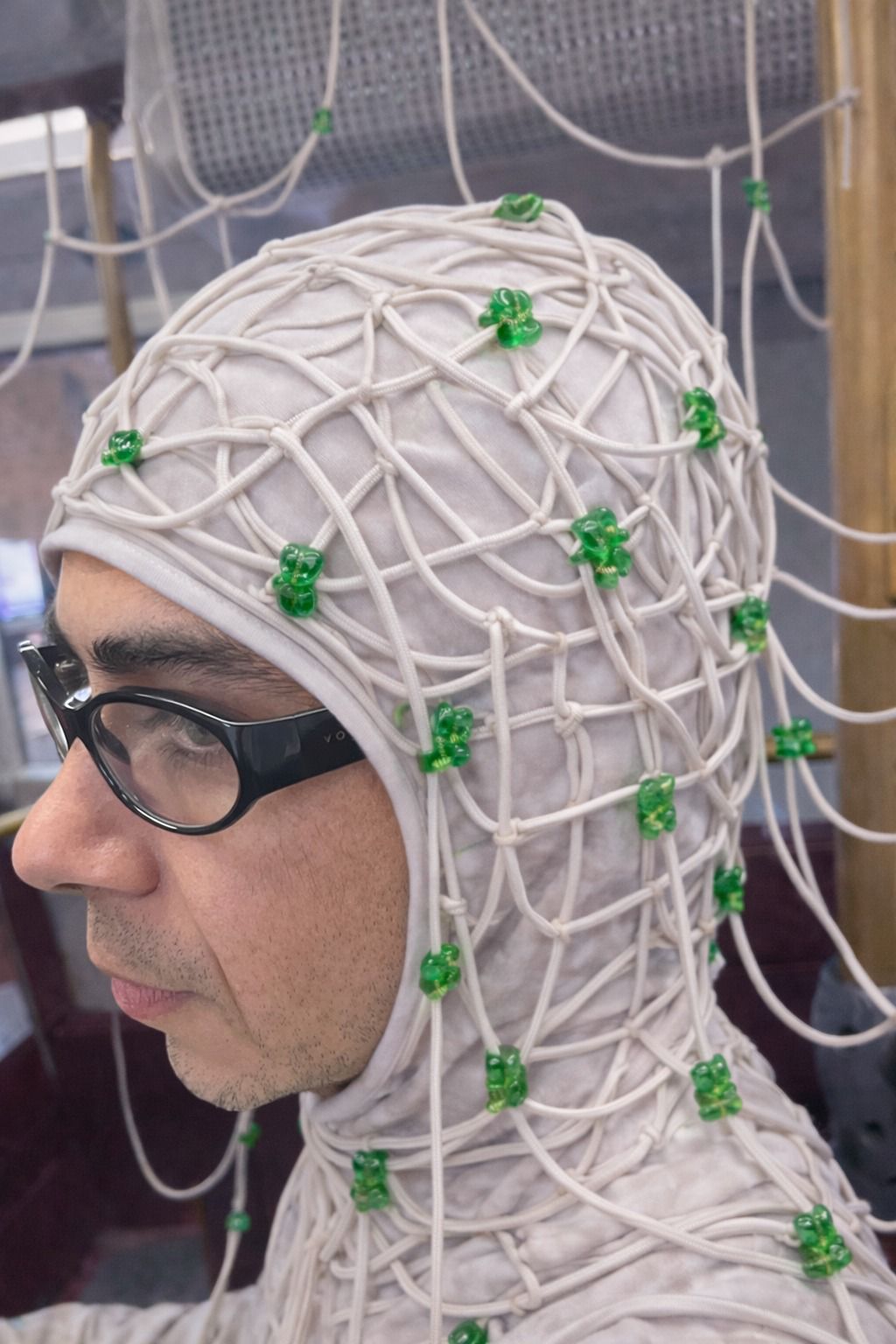
Arjan Guerrero is an artist from Mexico City with an MFA in Computational Arts from Goldsmiths, University of London. He has been granted by programs such as Arte Ciencia y Tecnologías (Mx), exhibited individually in artist-run spaces like Casa Maauad and collectively in other art venues like Centro Nacional de las Artes (Mexico City) and Somers Gallery (London). He received the Lumen Prize 2022 Global Majority award.
Opening the Black Box
11 May – 15 May
Francis Gene-Rowe (UK)
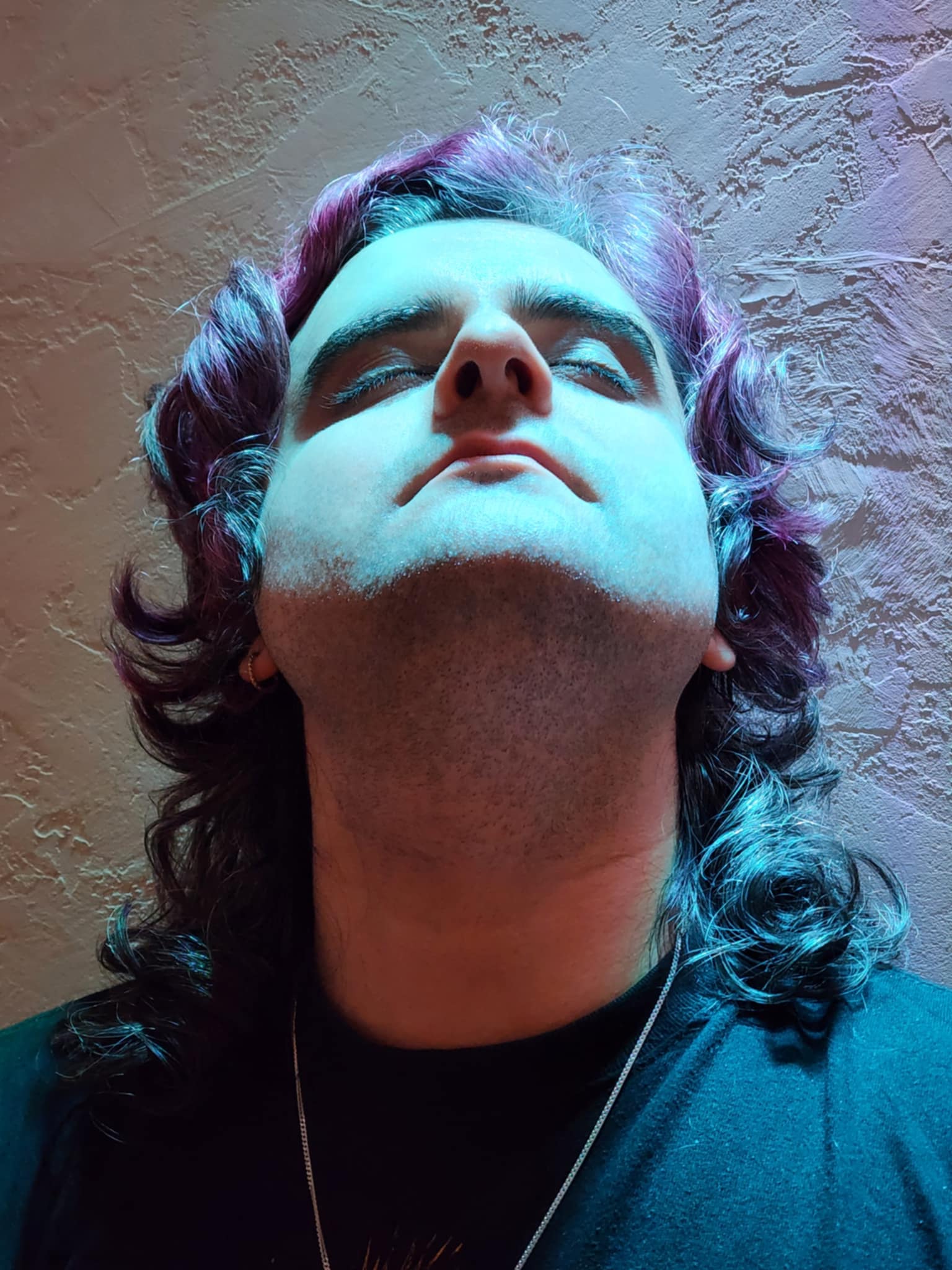
Francis Gene-Rowe works with poetry, games, and science fiction, and teaches media practices at the University of Southampton. You can find their poetry in Strange Realism (Future Natures), ALOCASIA: 99 queer writers on plants and nature, Permeable Barrier, and Corroding the Now: Poetry and Science|SF (Veer Books & Crater Press). Francis is a co-director of the London Science Fiction Research Community, and has published critical work on petrocultures, cyberpunk, Ursula K. Le Guin, and Philip K. Dick. At present, Francis thinks, learns, and creates around speculative divination, losing in games, and goblin futures.
Opening the Black Box
11 May – 15 May
Amy Cutler (UK)
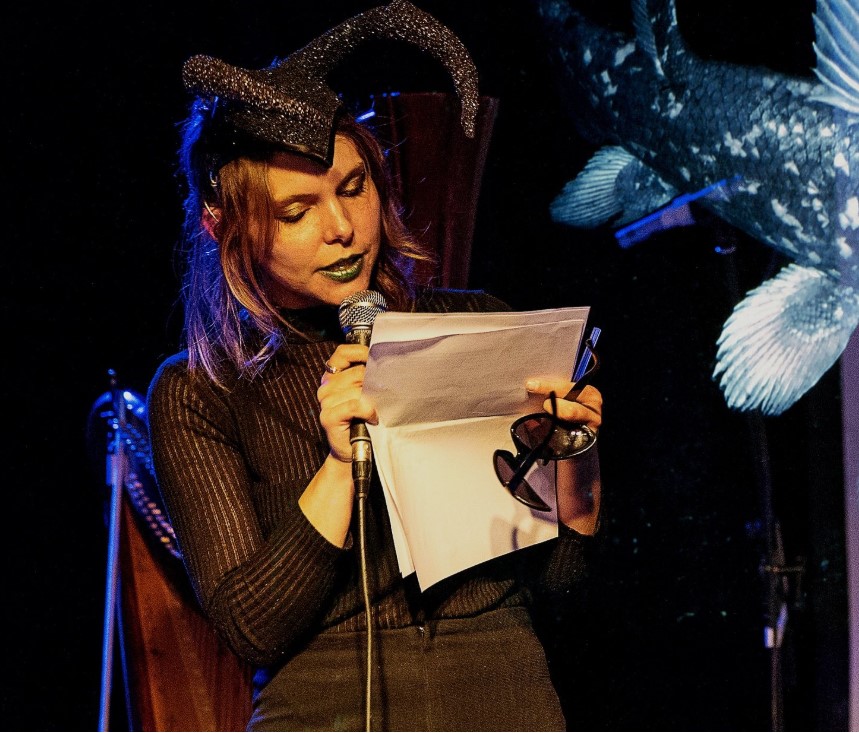
Amy Cutler is a designer, researcher, and multi-media artist. She works frequently on the production of immersive exhibitions and live performance events provoking and changing the public conversation around Anthropocene relationships and future nature-cultures. Previous live work includes the ensemble show Nature’s Nickelodeons at The Exploratorium San Francisco, The Live Earth Show at Glastonbury Festival, Luciérnaga in Mexico City, and most recently Species Piracy, an analogue 16mm film project on de-extinction, artificial intelligence and species revival, commissioned by the Leverhulme Centre for Anthropocene Biodiversity. She is also a winner of the Daphne Oram award at the Radiophonic Institute and PRS, recognising the most innovative work in electronic music and sound by women and gender minority artists.
Opening the Black Box
11 May – 15 May
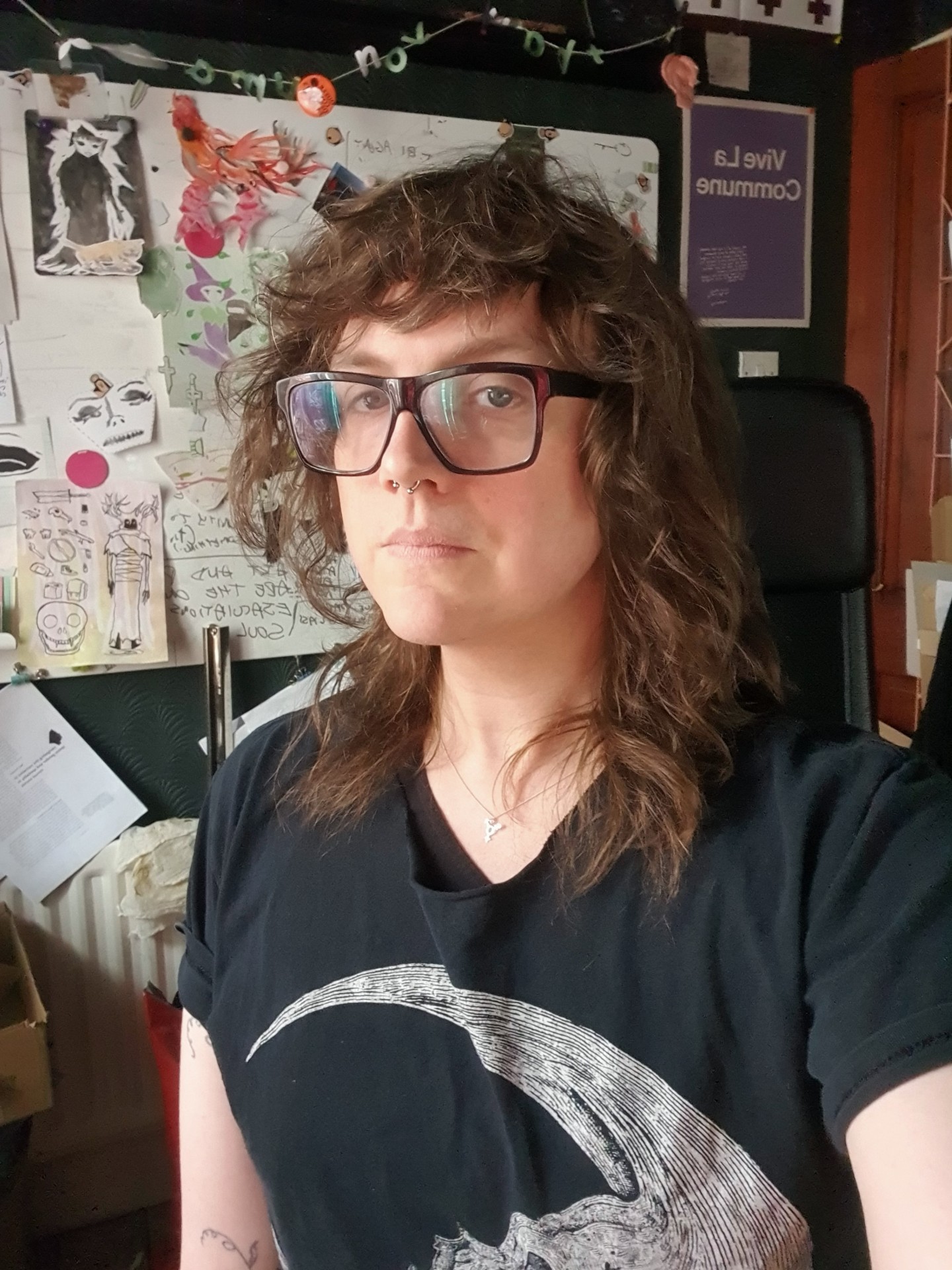
Uma Breakdown (UK)
Uma Breakdown is an artist, writer, and game designer interested in animals, horror, and play. Everything she makes is about some combination of love, grief, hallucination, and an excess of joy.
She is presently using Assemblage Theory and the history of religious art to develop a “dismembered Écriture Féminine”; where a strategy of bricolage becomes a reflection of transition-as-becoming and capacity for repair.
She has performed and exhibited at institutions including Baltic Centre for Contemporary Art, Embassy Edinburgh, Etc Prague, FACT Liverpool, KIM? Riga, Raven Row, Whitechapel Gallery, and Wysing Art Centre.
Opening the Black Box
11 May – 15 May
Erica Masserano (UK)
Erica Masserano works with stories, whether rooted in experience or the imagination. She teaches literature, media and games critically at various UK universities and community organisations, works as a narrative consultant for indie games, and publishes on collaborative and trauma-informed approaches to artistic practice and game development. In her spare time, she is also a writing and narrative design goblin making indie TTRPGs.
Opening the Black Box
11 May – 15 May
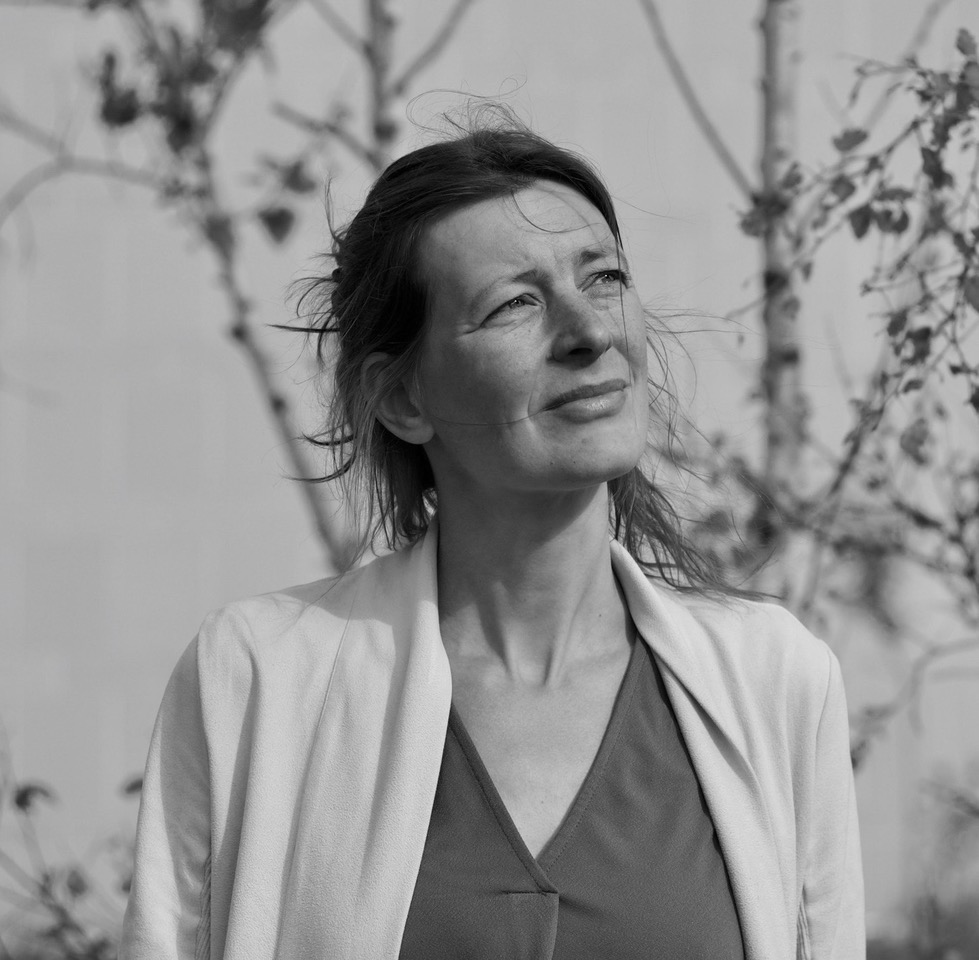
Klaske Havik (Netherlands)
Klaske Havik is Professor of Methods of Analysis and Imagination at Delft University of Technology. Her book Urban Literacy. Reading and Writing Architecture (2014) relates architectural and urban questions, such as the use, experience and imagination of place, to literary language. She edited Writingplace, Investigations in Architecture and Literature (2016), and initiated the Writingplace journal and the European research network Writing Urban Places. Havik’s literary work appeared in Dutch literary magazines; her poetry collection Way and Further appeared in English in 2021. In 2022, she received an honorary doctorate from Tampere University, Finland, in recognition of her contribution to the study of
architectural writing. Klaske Havik has been visiting Estonia regularly since 1998. She lectured at the Estonian Art Academy in Tallinn and was part of its thesis board. She also wrote for architecture journals Maja and Ehituskunst.
Learn more about the event HERE
Launch of the Estonian translation of Klaske Havik’s poetry collection “Tee edasine”
Friday, May 15th
18:00
Bookshop Biblioteek
Leonard Schwartz (USA)
Leonard Schwartz (born July 10, 1963) is an American poet, essayist, translator, and academic who has published numerous books of poetry as well as essays and multi-genre works. His latest book draws on the many stories surrounding Flaco, the owl who escaped from the Central Park Zoo, exploring how stories, fragments, and impulses are composted and transformed. In May, Schwartz is artist-in-residence at Rangøya International Cultural Centre. In Tartu, he will read from and discuss his latest work and experiences, as well as his interest in the Estonian kratt.
The Kratt, the Compost and Versions of Freedom: meeting Leonard Schwartz (USA)in conversation with Estonian-Norwegian poet Øyvind Rangøy
Tuesday, May 12th
20:00
Culture Club Salong, Tartu Literature House
Charlotte Weitze (Denmark)
Charlotte Weitze was born in 1974 in Lyngby, north of Copenhagen and studied folkloristics at the University of Copenhagen. Her debut – a collection of stories titled “Skifting” (Changling, 1996) – received the Danish Book Forum’s debut prize. Like much of her subsequent works, this book presented the readers with an unusual universe that blurs the boundaries between the man-made world and that of nature in order to explore themes of identity, history and our sense of belonging. Weitze’s educational background gives her a unique ability to merge reality with stories and fairy tales; to create a meeting between everyday life and a magical universe.
In recent years, Weitze has used her unique ability to mix such themes to draw attention to the climate crisis and humanity’s reluctance to acknowledge it. Her novel Rosarium (2022), which was translated into Estonian („Rosaarium”, Varrak, trans Eva Velsker) in 2024, blends folktales, scientific notes, letters, and everyday realism to tell the story of six generations that hold the seed to a particular life form between the world of plants and that of humans. The novel was nominated for the Danish Radio’s prize for best novel of the year and cemented the writer’s ability to merge genres, work with scientific as well as historical material, and create a unique kind of sci- or cli-fi that points towards a world in which humans are no longer the dominant force.
Weitze has continued her exploration of the climate crisis with her essay collection The Climate and the Artist (2022) that ties her personal story and thoughts to larger, more existential questions about global warming and the uncertainty it causes. Her most recent novel “Ulvemælk” (Wolf Milk), takes place in 2040 in a world dominated by AI as well as in 1872, when the folk memory collector Evald Tange is collecting stories from wise women.
In 2025, Charlotte Witze received the Danish Arts Foundation’s lifetime recognition award for her soulful prose, unusual narratives and excellent storytelling that “invite us to reflect on universal, existential topics as well as life in a future, climate-changed world.” Her most recent novel was just nominated for the Nordic Council’s Literature Prize.
In addition to the novel Rosarium, Charlotte Weitze’s short story collection “Mørkets Egne” (The Realm of Darkness, 2005) has also been translated into Estonian („Pimeduse pärusmaa”). It was published by Pegasus Publishing in 2008 in translation by Kai-Mai Aja.
Mie Mortensen
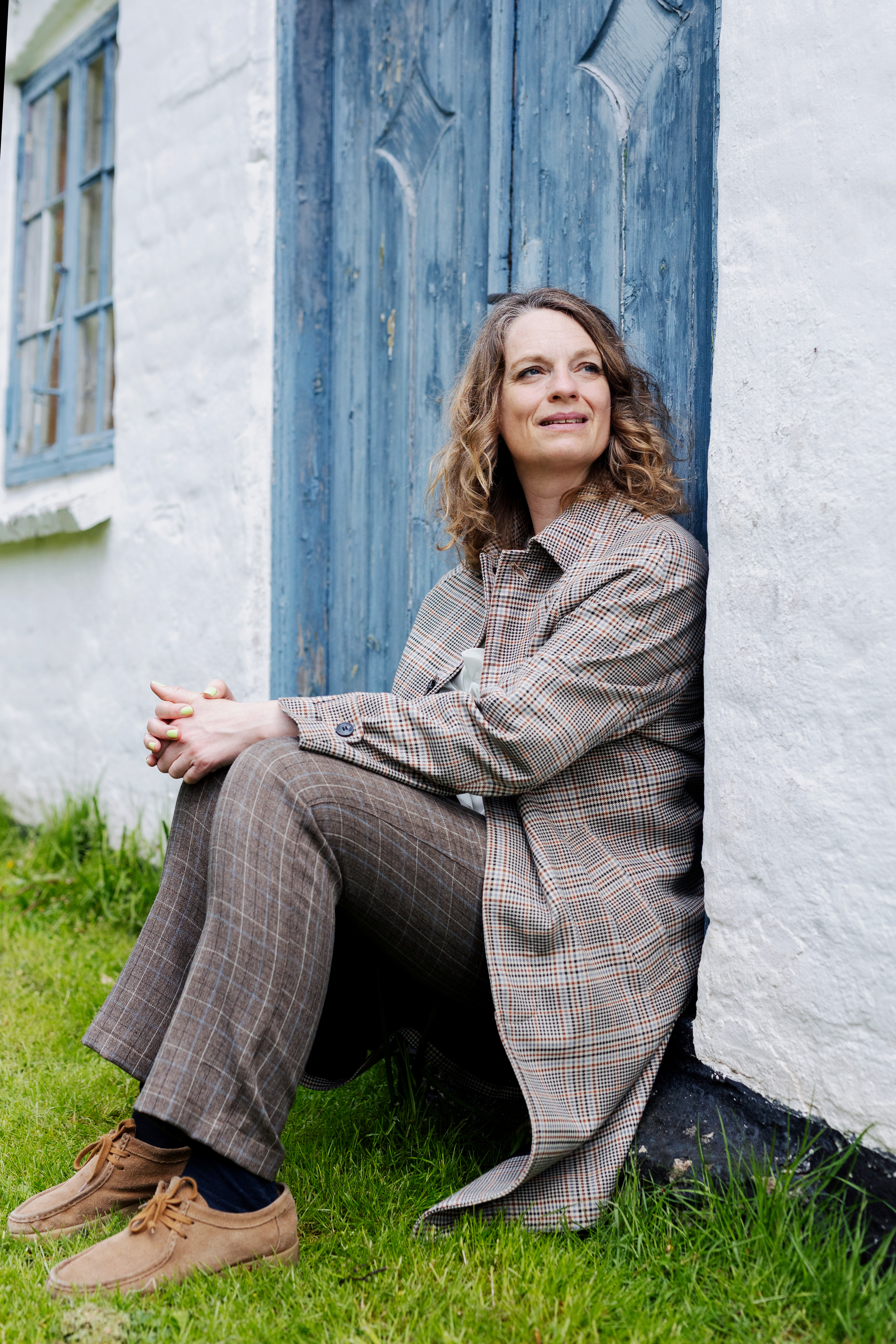
Danish writer Charlotte Weitze in Conversation with Mie Mortensen, Visiting Lecturer in Danish Language and Literature, University of Tartu
Monday, May 11th
16:00
Tartu Public Library
Opening the Black Box: All Her Beautiful Wolfmilk – film screening, reading, discussion
Thursday, May 14th
20:00
Aparaaditehas Culture Factory, Hall of Love
Giuliano Logos (Italy)
Poet, performer, artivist, and the first Italian Poetry Slam World Champion (Paris, 2021). He has brought his voice and Italian poetry to festivals, theaters, universities, and streets on tours across Europe, the U.S., Africa, and Asia in collaboration with embassies and cultural institutes. Founder of the collective WOW – Incendi Spontanei, his work blends poetry, social activism, and new technologies (AI/VR). He was selected by the joint editorial teams of Vanity Fair Italy, France, and Spain as one of the 30 “artists, activists, and pioneers” who are reshaping the future of Europe.
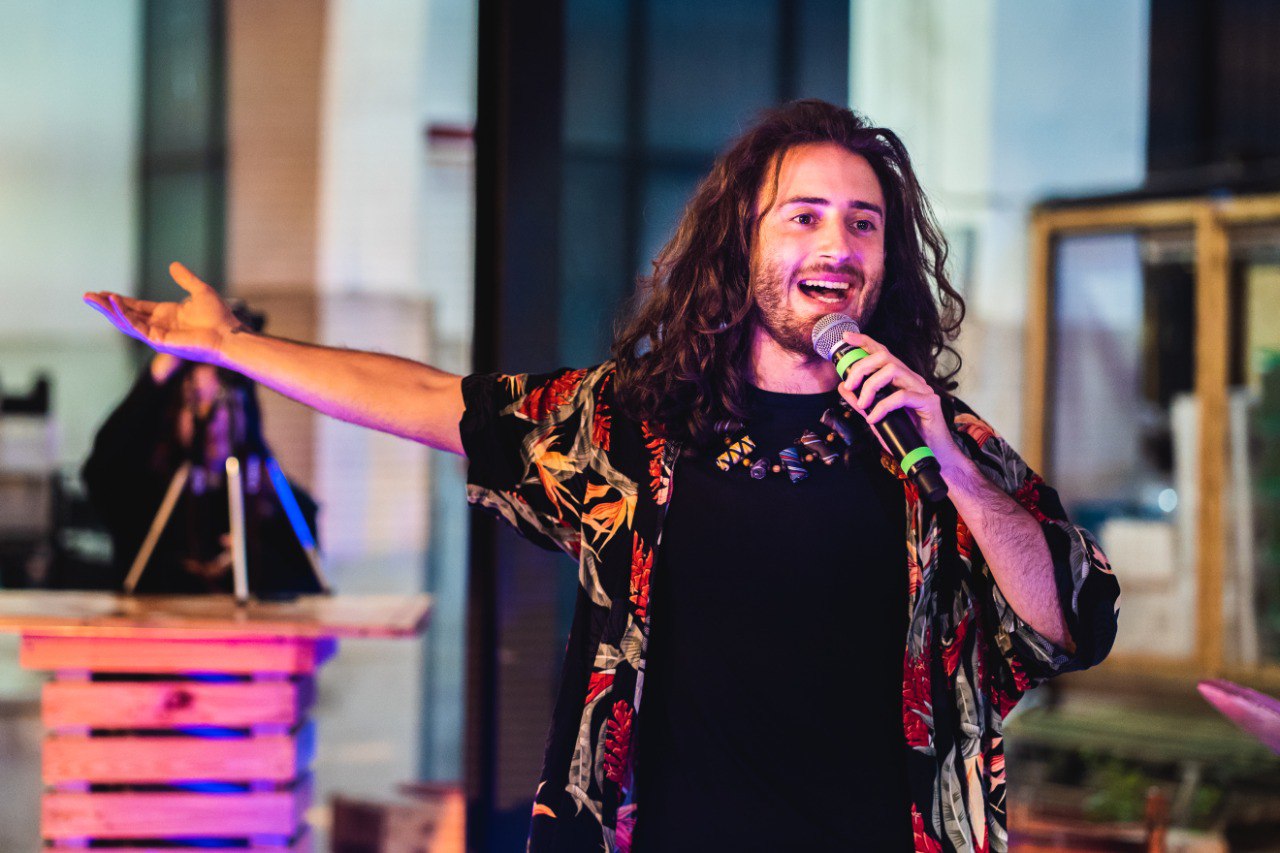
Final of Tartu poetry slam competition TarSlämm at Vilde ja Vine, with guest performer Giuliano Logos (Italy)
Thursday, May 14th
20:00
Restaurant Vilde ja Vine
Vónbjørt Vang (Faroe Islands)
Vónbjørt Vang (b. 1974) is a Faroese author and librarian. She has published three poetry collections and one prose work (an essay), and her poetry and short stories have also appeared in various other publications. In her writing, Vang explores deep human relationships, often examining how these are intertwined with time and place.
For her most recent poetry collection to date, Black Orchid (“Svørt orkidé”, Eksil, 2023), Vang received the Nordic Council’s Literature Prize for 2025. The work deals primarily with a mother’s fears surrounding her child’s coming of age and the child’s search for their own path in life, driven by a fear of losing them.
The book’s recurring metaphor is the black orchid, which symbolises plant life, the therapeutic effect of gardening and soil, but also the underworld and the darkness into which the child disappears. In addition to poems, the work contains prose passages, and the book is illustrated with collages created by the author herself.
By the time of the festival, the poetry collection Black Orchid will also be published in Estonian by Nordur publishing house (translated from Faroese by Andry Arro), and the book will be available for purchase at the event.
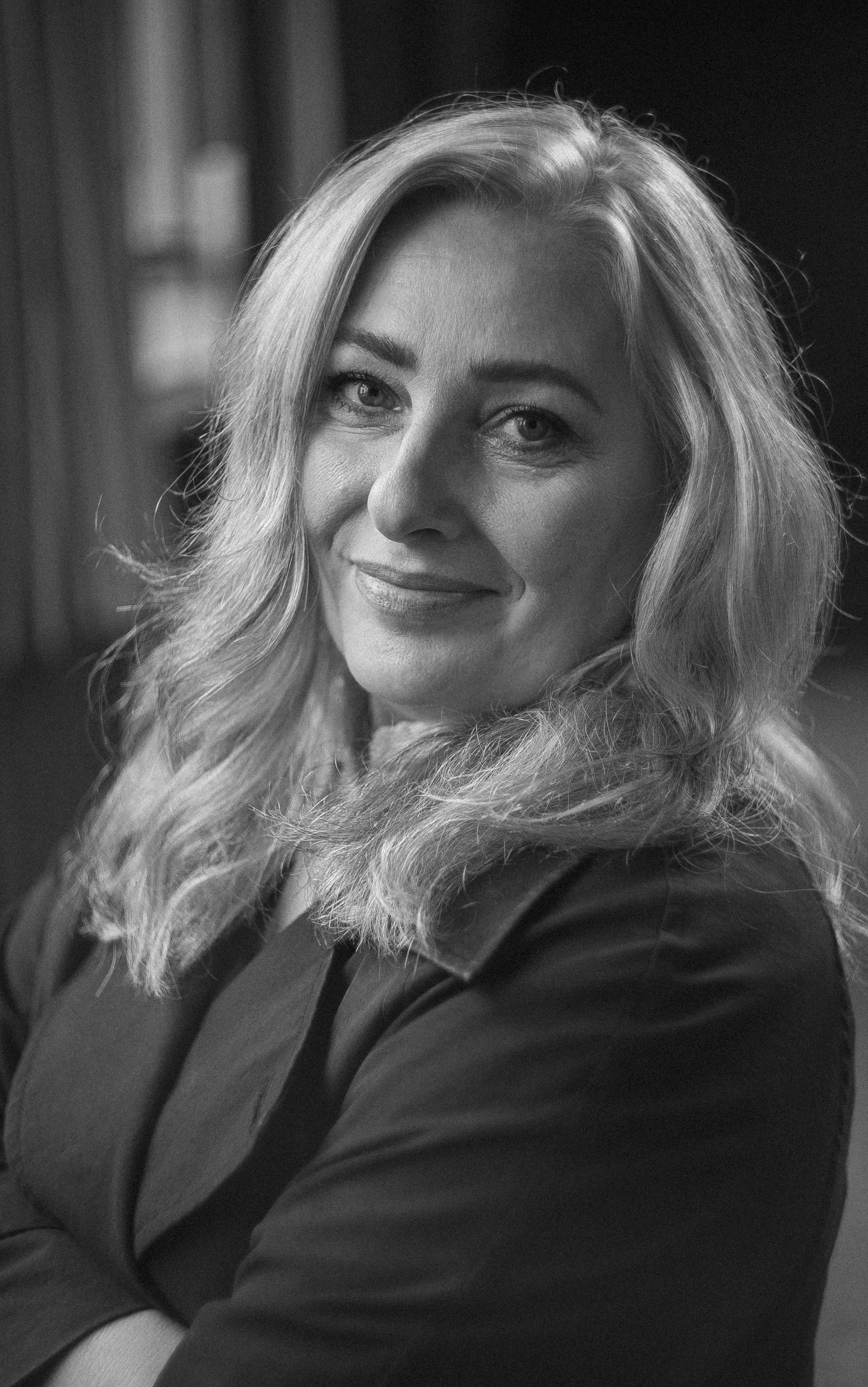
Faroese writer Vónbjørt Vang in conversation with Norwegian-Estonian poet Øyvind Rangøy, with poetry translations read by Maarja Pärtna
Wednesday, May 13th
18:30
Tartu City Museum
Ursel Bäumer (Germany)
Born in Münster, Ursel Bäumer lives as a freelance author in Bremen following her studies in German Philology and Cultural Studies. She is a member of the Lower Saxony Writers’ Association.
Bäumer has written novels, short stories, and short prose. Her debut novel, Zeit der Habichte (Time of the Hawks), was published in 2011 by the Zurich publishing house Dörlemann. The focus of her work is on female artists and musicians as well as the places associated with their work.
Her latest novel, Louise (Hamburg, Nagel & Kimche), published in 2023, explores the early years of the world-famous French-American artist Louise Bourgeois (1911–2010) in France.
Ursel Bäumer has travelled extensively and worked with young people. For about a decade, she led an association that organised literary workshops and evenings for high school students in Bremen.
Bäumer has received several awards for her literary work, most recently a project scholarship from the City of Bremen in 2021. In 2022, she was a writer-in-residence at the Representation of the Free Hanseatic City of Bremen in Berlin. From April 30 to June 5, Bäumer will be in Tartu as an ambassador of the UNESCO City of Literature Bremen, as part of a residency program organised by the Goethe Institute, the Tartu German Cultural Institute, and the literary festival Prima Vista.
In Estonia, Bäumer is interested not only in the country’s nature but also in the connection between literature, landscapes, and cities. She finds it equally fascinating to explore how contemporary authors relate to the work of famous female writers in Estonian literary history.
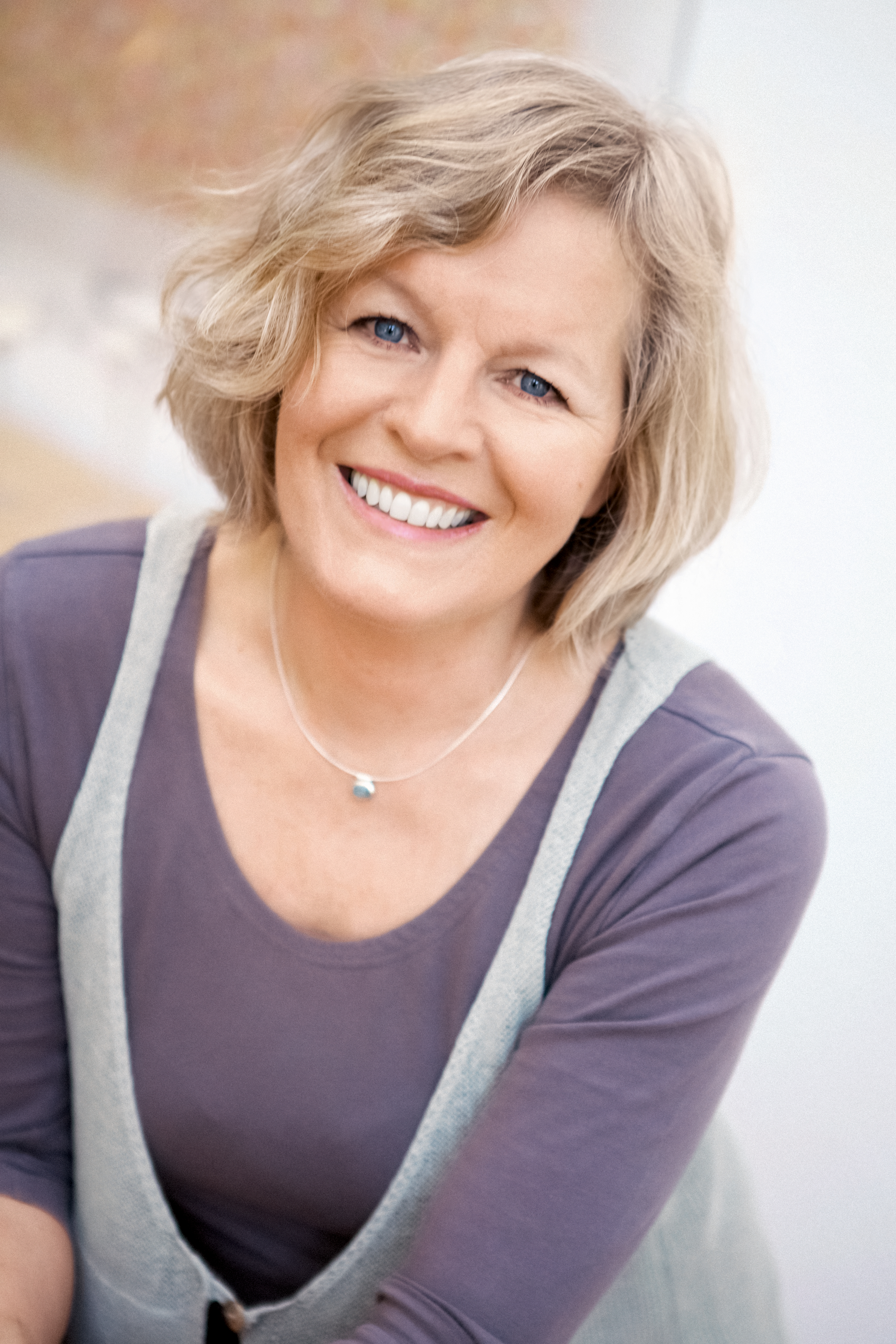
Discussion with German writers Ursel Bäumer and Claudia Kiefer
Thursday, May 14th
16:00
Tartu Public Library
Norman Ohler (Germany)
Norman Ohler (b. 1970) studied at the Hamburg School of Journalism and has worked as a journalist in various parts of the world during the 1990s. Ohler has authored detective and historical novels as well as non-fiction. His debut novel, The Quota Machine (“Die Quotenmaschine”), published in 1995, is considered the very first novel to be published on the internet.
Ohler gained international fame with his first non-fiction book, Blitzed: Drugs in the Third Reich (“Der totale Rausch”, 2015), which explores the role of psychoactive drugs during World War II. To write the work, which is based on extensive documentary source material, the author spent five years digging through archives in Germany and the USA. The book became an international bestseller and has since been translated into 30 languages.
In the book The Strongest Stuff (“Der stärkste Stoff”, 2023), Ohler examines psychedelics as medicine, weapons, and recreational stimulators, investigating how the development, production, and distribution of psychedelic substances have shaped post-WWII politics and society to the present day. Both non-fiction books have been published in Estonian by Helios, translated by Elina Adamson.
In 2024, marking the 100th anniversary of the publication of Thomas Mann’s novel The Magic Mountain, Ohler released his most recent work, The Magic Mountain: The Full Story (“Der Zauberberg, die ganze Geschichte”, Diogenes). In this non-fiction book with a literary flair, Ohler looks behind the scenes of Mann’s The Magic Mountain, showing that the fame of the novel’s setting – the city of Davos – is based on fiction: an artificially created illusion that has become a myth.
Ohler boldly paraphrases Mann’s text, remixing it with his own, and describes the development of Davos from a poor mountain village into a symbol of wealth embodied by tuberculosis sanatoriums, ski resorts, and the World Economic Forum. At the same time, nothing is as it seems at first glance – starting with the fact that, to this day, there is no scientific proof of the curative properties of Davos’s mountain air for consumption.Thomas Mann began dismantling the image of Davos, and inspired by Mann’s novel, Ohler follows the same path, attempting both to bring The Magic Mountain back into focus for new generations and to save it from falling into oblivion. An excerpt from the work, translated by Anne Arold, can be read in this year’s April issue of the journal Akadeemia.
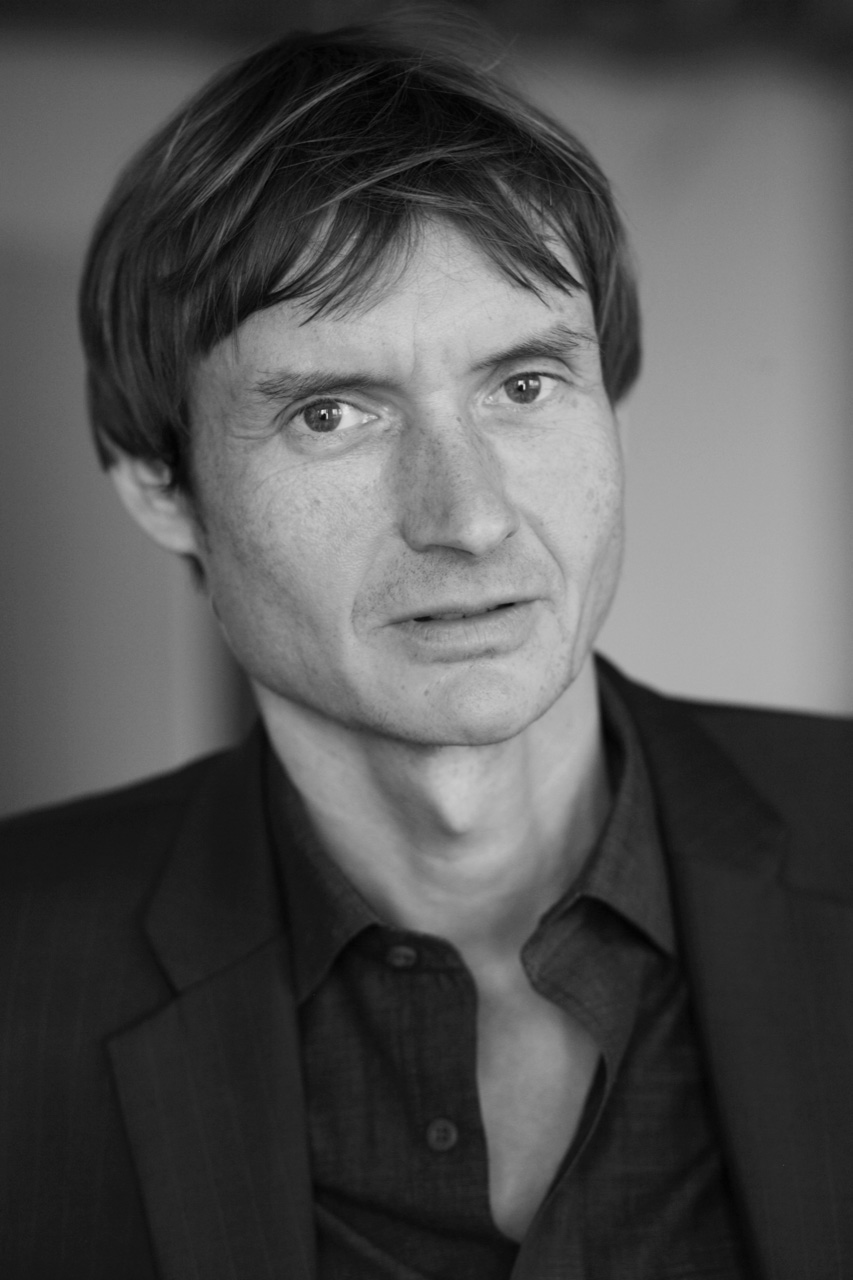
German author Norman Ohler in conversation with Olaf Mertelsmann (Professor of East European History at the University of Tartu)
Tuesday, May 12th
17:00
Tartu Public Library
Munir Hachemi (Spain)
Munir Hachemi (b. 1989) is a Spanish writer and translator who has defended a doctoral dissertation on the influence of Jorge Luis Borges’ work on contemporary Spanish literature. In addition to his birthplace, Madrid, he has lived in Granada, Buenos Aires, and Beijing, and speaks Arabic and Chinese among other languages; his mother is Spanish, and his father is of Algerian descent. In 2021, the prestigious Granta magazine selected him as one of the best young Spanish-language novelists.
Munir Hachemi has published both prose and poetry, as well as translations from Chinese into Spanish. His debut novel, Living Things (“Cosas vivas”, 2018), was published in Estonian in 2025 by Toledo Publishing, translated by Klaarika Kaldjärv. It is a playful, (self-)ironic, funny, and fast-paced work, yet simultaneously erudite and literarily ambitious. In the story, bold young characters are forced to face the exploitation of labour in the agricultural sector and the brutal reality of intensive animal and plant farming. The novel is based on the author’s own experience from a summer working on farms in Southern France, after which he permanently gave up meat consumption.
When asked how the festival theme “Artificial and Real” manifests in Living Things, the author replied: “[In the novel, there is] a sort of descending diagram: the bosses do to the workers what the workers do to the animals, and so on. It’s as if animals were the ‘most real,’ the most natural things, if one goes by such a distinction – but the category of ‘realness’ shatters when we think of tens of thousands of chickens crammed into tiny cages, their circadian rhythms controlled by fluorescent lights. If we break down this opposition, we realise that we are more like chickens than we think, and that we only become free by freeing other living beings.”
The theme of real and artificial environments is also strongly present in Hachemi’s short stories and his second novel, The Tree is Coming (“El árbol viene”, 2023). The action of this political and semiotic sci-fi novel takes place in a community settled in space and forgotten there, a unique combination of a high-tech and primitive civilisation.
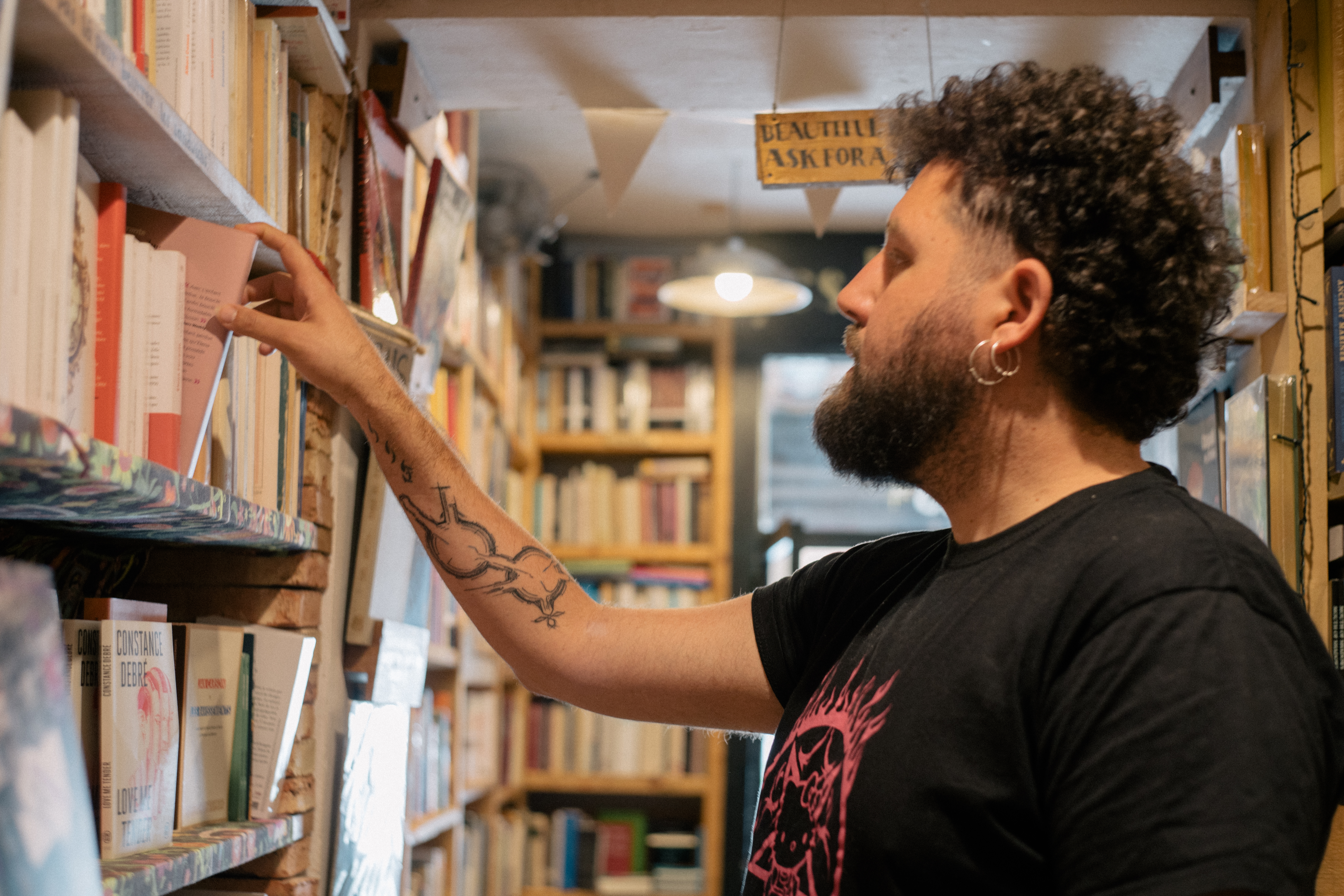
Spanish writer Munir Hachemi in conversation with translator and lecturer in Spanish literature Klaarika Kaldjärv
Wednesday, May 13th
18:00
Tartu Public Library
Mererid Hopwood (Wales)
Mererid is Professor of Welsh and Celtic Studies at Aberystwyth University and Chair of the Dinas Llên UNESCO City of Literature Partnership in Aberystwyth, Ceredigion, West Wales.
Writing awards include the Wales Book of the Year prize for poetry; the Tir na nOg prize for children’s books; the National Eisteddfod Crown and Chair for poetry and Prose Medal for her novel, O Ran. She is a recipient of the Glyndŵr and the Hay Festival Medal for Poetry.
Mererid writes in Welsh across genres and has collaborated with musicians, dancers, visual artists and translators, taking part in literature festivals in Asia, South America and Europe. A recent residency in Tŷ Newydd, the national writing centre in north Wales, led to a joyful opportunity to read with Maarja Pärtna in the Hay Festival. She practices the craft of ‘cynghanedd’, a form of poetry unique to Wales, and was the first woman in a centuries’ old tradition to win the Bardic Chair for poetry written in this form. This year sees two of her plays performed across Wales.
She is the current Archdruid of Wales and founding Secretary of Academi Heddwch Cymru (Wales’s National Peace Institute).
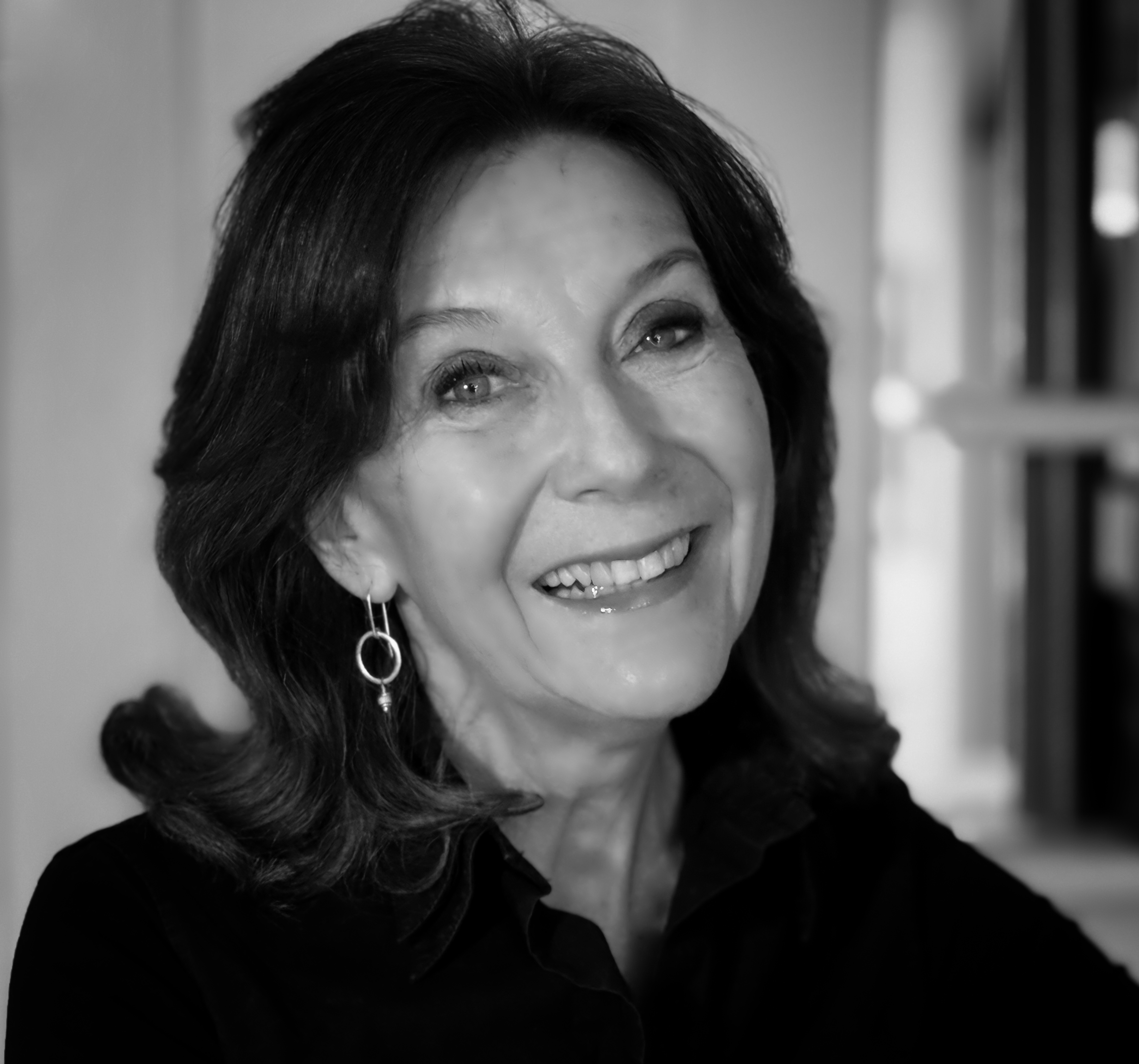
„No such thing as a small language”: Mererid Hopwood (Wales) and Doris Kareva
Tuesday, May 12th
16:00
Estonian Literary Museum, main hall