Kim Simonsen (Faroe Islands)
Kim Simonsen (b. 1970) is a poet, publisher, curator and academic. He has published several poetry collections, and his works have appeared in numerous journals and anthologies.
The conceptual foundations of Simonsen’s work are environmental philosophy and poetics, speculative realism, interspecies relations and ecocriticism. Although the writer’s works express his personal emotional experiences, such as the loss of his father, overwhelming grief, and the relationship between humans and the planet, a philosophical dimension is always present. Kim Simonsen’s work crosses literary genres and conventional academic and artistic fields. In the author’s own words, his literary activity is not anchored in national literary frameworks or narrow concepts of linguistic identity. He is not shaped by a single nation but by a constellation of different places, each of which opens a new space for him.
For this reason, Simonsen founded the publishing house Eksil (Exile) in 2007; the choice of name was a deliberate strategy – if the default condition of literature is nationality, an alternative default must be created alongside it. Simonsen says that Eksil should be a place where works are understood through their ideas rather than their origins. With his most recent poetry collection to date, The Biological Composition of a Drop of Seawater Resembles the Blood in My Veins (“Lívfrøðiliga samansetingin í einum dropa av havvatni minnir um blóðið í mínum æðrum”, Eksil, 2023), Simonsen was nominated for the 2024 Nordic Council Literature Prize. In Estonian, Kim Simonsen’s poetry collection is published by Nordur (translated from Faroese by Andry Arro), and the book is available at the event. In addition to Estonian, Simonsen’s poems have been translated into Danish, English, Macedonian, Italian, Hungarian and Chinese.
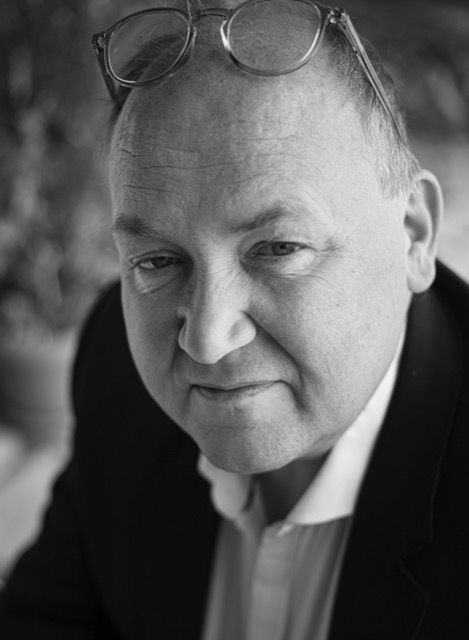
Faroese writer Kim Simonsen in conversation with Norwegian-Estonian poet Øyvind Rangøy and poet Maarja Pärtna
Wednesday, May 13th
17:30
Tartu City Museum
Yuliya Musakovska (Ukraine)
Yuliya Musakovska is a Ukrainian poet, writer and translator. She is the author of six books of poetry, among them The God of Freedom (2021) and Stones and Nails (2024). She has received numerous literary prizes in Ukraine and internationally, such as the Asian Prize for Poetry 2025 and the Diana Der Hovanessian Prize from the New England Poetry Club (USA). Her work has been translated into more than 30 languages and widely published abroad, including as collections in the U.S., Sweden, and Poland. In Estonian, her poetry has been published in literary journals Looming and Vikerkaar, as well as in the anthology Will I Break Free from This Sorrow? In 2025, Anna Verschik’s translation of Yuliya Musakovska’s poem Magnolia is Blooming in Someone Else’s Garden was awarded the August Sang Poetry Translation Prize. In 2023, Yuliya Musakovska paused her twenty-year career in IT and international business to focus on literary work and cultural advocacy for Ukraine. She has presented at many literary festivals and cultural events across Europe, Asia, Africa, and North America. Yuliya Musakovska is a member of PEN Ukraine.
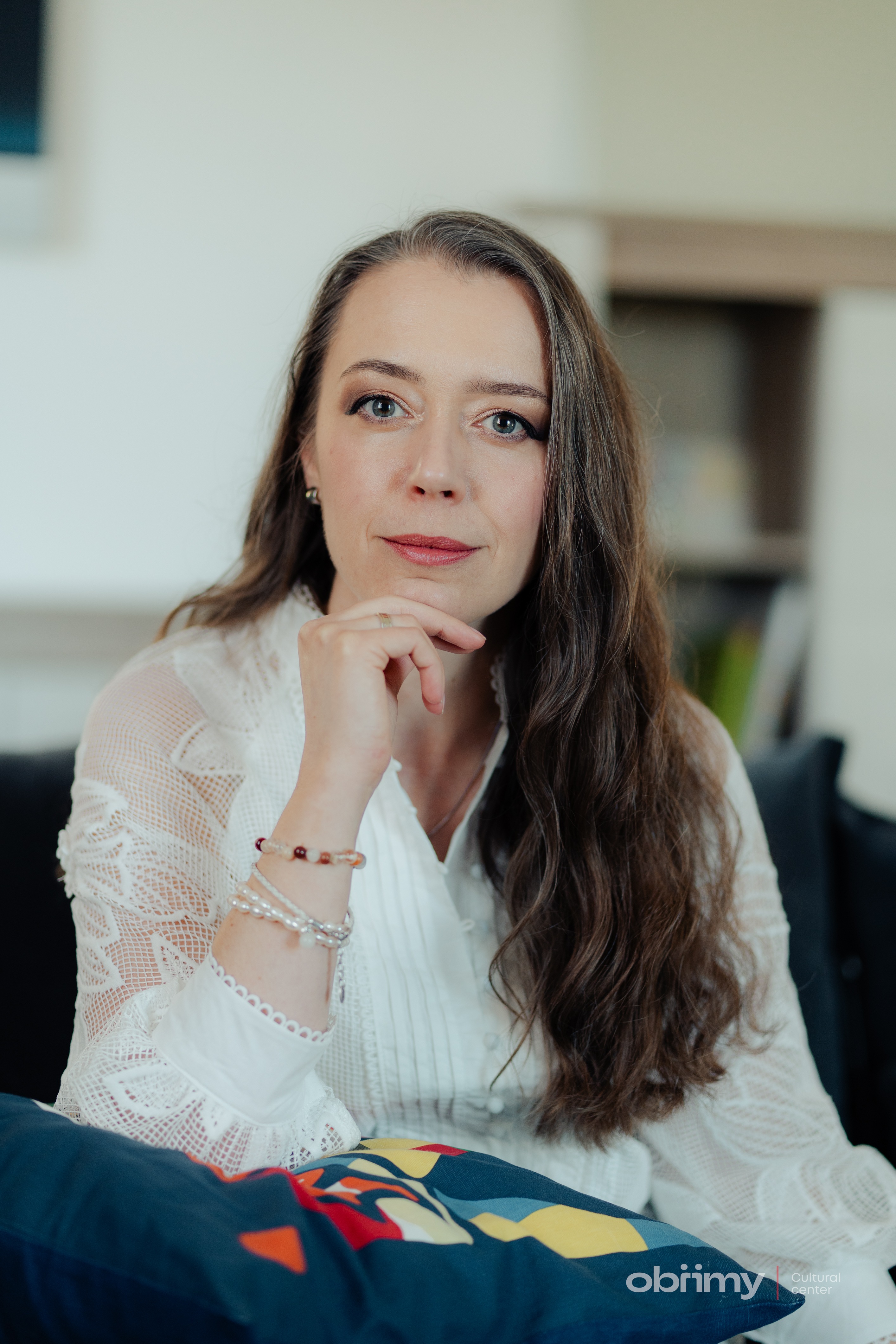
Discussion and poetry reading with Ukrainian poet and translator Yuliya Musakovska
Wednesday, May 13th
16:00
Culture Club Salong, Tartu Literature House
Jurgis Kunčinas (Lithuania)
Jurgis Kunčinas (1947–2002) was a Lithuanian poet, essayist, translator, and prose writer, and the first to become a Western-style professional writer. He was born and grew up in Alytus and studied German philology at Vilnius University. His first publication appeared in 1968. Starting from 1977, Kunčinas published six collections of poetry, seven collections of short stories, children’s books, essay collections, and seven novels. He wrote satires, essays, radio programs, and film scripts. He translated works from German by W. Borchert, H. Böll, G. Grass, R. Musil, H. Fallada, H. Broch, E. Canetti, and I. Bachmann.
In 1994, Kunčinas received the Lithuanian Writers’ Union Best Book of the Year Award for his novel Tūla. The writer was also honoured with several other awards. A library named after J. Kunčinas operates in Alytus.
Kunčinas’s most famous novel, Tūla, published in 1993, remains one of the masterpieces of Lithuanian prose to this day. When discussing it, the term “cult classic” is frequently used. The inspiration for the novel was the writer’s love for the artist Gražina Jaronytė, whom friends called Tūla. Unfortunately, their love did not last long. After learning of her tragic death (she drowned), Kunčinas wrote this sensitive and poetic novel.
It has been repeatedly said of Kunčinas that he is a chronicler of Soviet-era bohemian life, who poeticised the individual’s inner autonomy as an alternative to the absurdity of public life. He wrote ironically, at times cynically, but simultaneously with sensitivity and conviction. He spoke of a “lost generation” that is neither able nor willing to adapt to the times in which they live. The writer’s characters choose freedom as a protest against false values, yet that freedom also becomes a path toward self-destruction. The writer was a romantic maximalist in every sense of the word.
He is also often called one of the best storytellers in Lithuanian prose, capturing the peculiarities of life, places, and customs of the Soviet era with great precision and detail.
Many of Kunčinas’s works, especially those told in the first person, are considered autobiographical. The novel Tūla is also autobiographical; almost all characters have real-life prototypes (many recognised themselves), and it mentions specific details about Vilnius and that era.
Compiled by Tiina Kattel
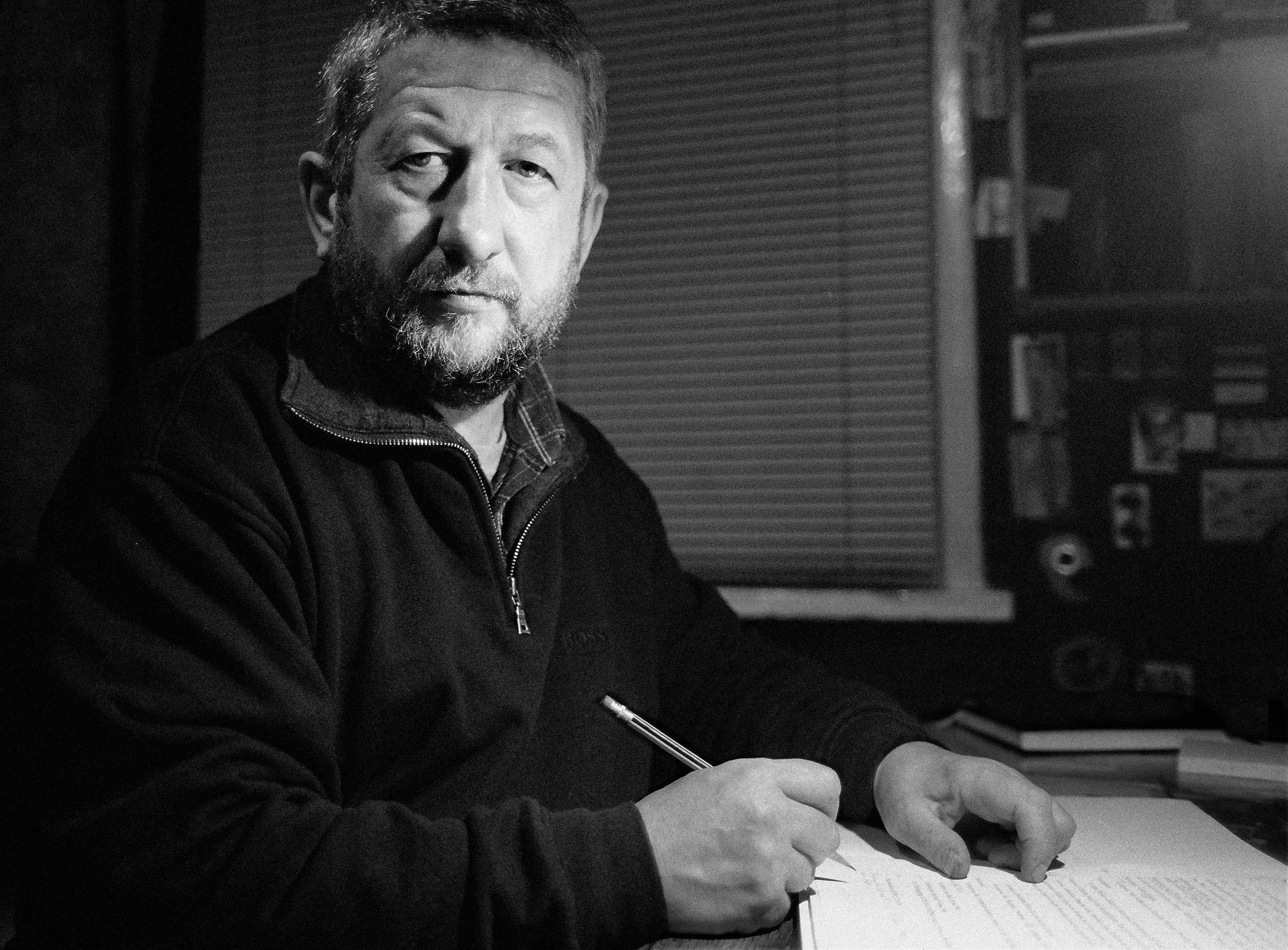
An evening dedicated to the work of Lithuanian writer Jurgis Kunčinas (1947–2002), hosted by translator Tiina Kattel
Friday, May 15th
18:00
Tartu Public Library
Jari Järvelä (Finland)
Jari Järvelä (born 1966) is a writer originally from Helsinki who lives with his family in Kotka. In addition to his critically acclaimed novels, he has written radio plays, stage plays, opera librettos, and travelogues.
Järvelä is interested in history, travel, and wine – ideally all at the same time. He holds a black belt in karate. He is drawn to all kinds of new landscapes, as long as they allow for swimming, walking, climbing, or travelling by train.
Jari Järvelä is no stranger to Estonian readers, as four of his works have been translated into Estonian, starting in 2023. On Both Sides of the Waterfall („Kahele poole koske”, 2018; Est. 2023, trans. Kadri Jaanits), which was nominated for Finland’s prestigious Finlandia Prize, examines the 1918 Civil War and its aftermath. Aino A (2021; Est. 2023, trans. Kai Aareleid) is a provocative biographical novel about Aino Aalto, the woman standing beside and in the shadow of the famous architect Alvar Aalto.
I Love Eva Braun („ Ma armastan Eva Brauni”, 2023; Est. 2024, trans. Piret Pääsuke) tells the story of a wannabe writer who begins forging Eva Braun’s diaries, gradually adopting the identity of that infamous woman. It is a game within a game that mocks not only the dictator but also human traits such as the thirst for fame and recognition, the strange urge to collect, and the desire to be someone else. The novel speaks as much about the present day as it does about the era of Eva Braun.
His most recently published work, Mozzarella Moon and Other Travel Stories („ Mozzarella-kuu ja teisi reisijutte”, 2022; Est. 2026, trans. Piret Pääsuke), contains the stories of a backpacking writer travelling through places where wine flows, and olive trees grow.
Translator Kadri Jaanits provided an apt characterisation of Jari Järvelä’s work in the afterword to On Both Sides of the Waterfall: “…a clearly recognisable style, humour, and a habit of diving into the whirlwind of gripping events without lengthy explanations. In addition to well-told, exciting stories, Järvelä’s work is characterised by a social aspect and by giving a voice to the weak and the marginalised in society.”
The “weaker ones” to whom Järvelä gives a voice are often women – whether it be Aino Aalto, the undeservedly overshadowed wife of the famous architect, or even Eva Braun herself.
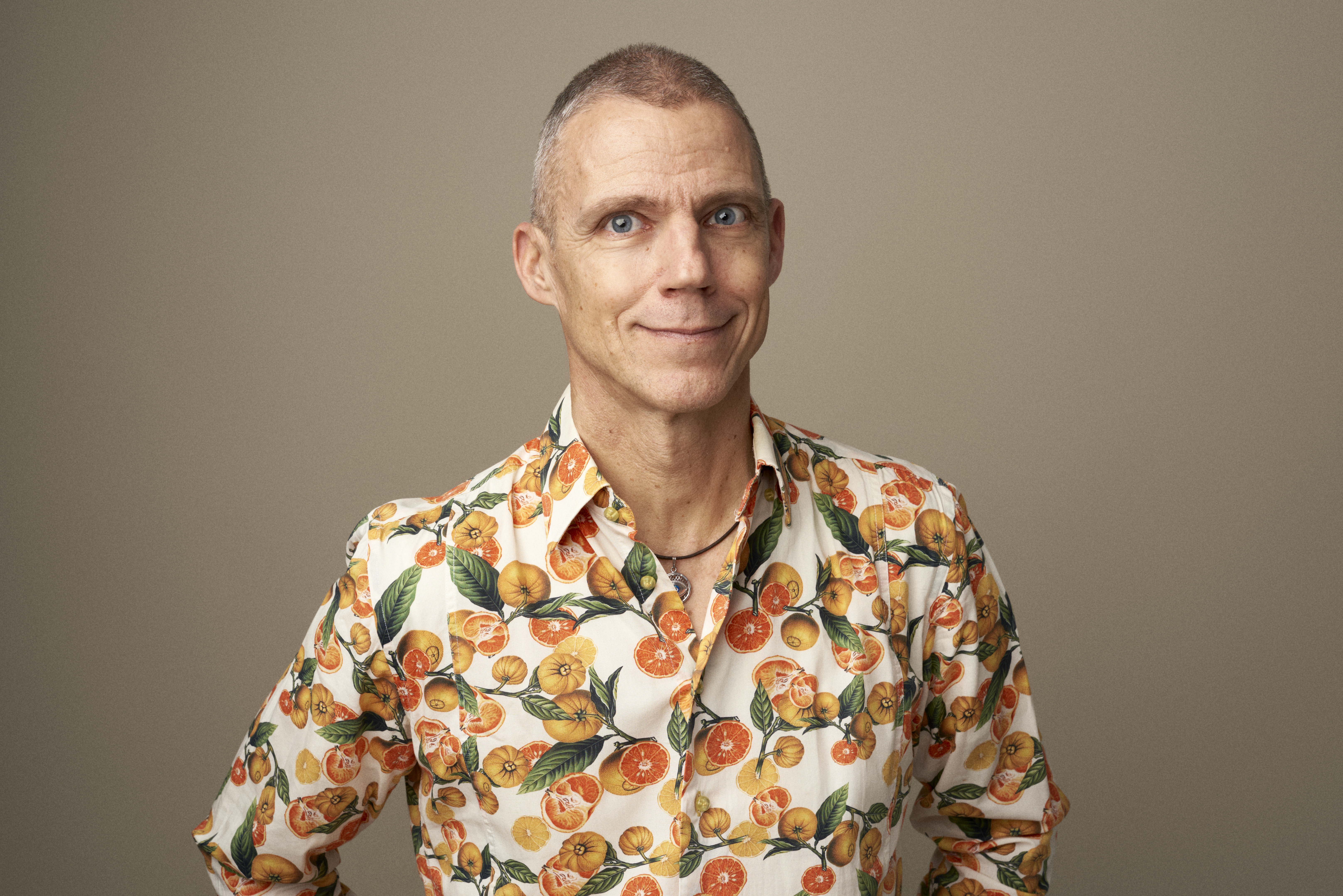
Finnish writer Jari Järvelä in conversation with translator Piret Pääsuke
Wednesday, May 13th
16:00
Tartu Public Library
Ingeborg Arvola (Norway)
Ingeborg Arvola, a Norwegian novelist, children’s author, and playwright with Kven roots, was born in 1974 in Northern Norway and has published 20 works. She gained international recognition with her historical trilogy Songs from the Arctic Ocean, the first part of which, Knife in the Fire (2022; Estonian edition 2024), earned her several literary awards and was nominated for the 2023 Nordic Council Literature Prize. The trilogy has also been published in Estonian (by Eesti Raamat 2024–2026, translated by Riina Hanso).
for Estonian readers who search for cultural and emotional authenticity, the work is a treat, as it describes the history and life of our kin, the Kvens (a group that migrated from Finland to Northern Norway) in the 19th century and is partly based on the life story of the author’s great-great-grandmother, Brita Caisa Seipajærvi. This personal connection was unknown to the author until she began her in-depth research. The fate of her ancestor, discovered through church records, promised rich, dramatic material.
The story is propelled by the protagonist Brita Caisa’s healing powers and her forbidden love for the married Mikko. “It has been a long time since Norwegian literature depicted nudity and desire so erotically! A sensual, realistic, and very poetic work,” praised the Norwegian cultural newspaper Klassekampen regarding the novel Knife in the Fire.
The strikingly harsh northern nature in the areas where Norwegian, Sámi, and Kven cultures meet is portrayed through sensory feelings. Arvola has said that she often relies on physical sensations while writing, as she believes this helps the reader to physically perceive the past. The trilogy is bursting with flavours and scents—like the local sea with cod, the tundra with reindeer, and the cloudberries. However, during later days of hardship, when the concepts of freedom and love tend to blur, the reader can taste the flavours of wolf’s blood and pine bark bread.
Both the protagonist and the author’s writing style exude extraordinary energy. Through a challenging plot, snippets of Finnish songs linger persistently in the mind. Arvola’s language is delicately poetic, yet remains within the bounds of realism.
Introduction compiled by Riina Hanso
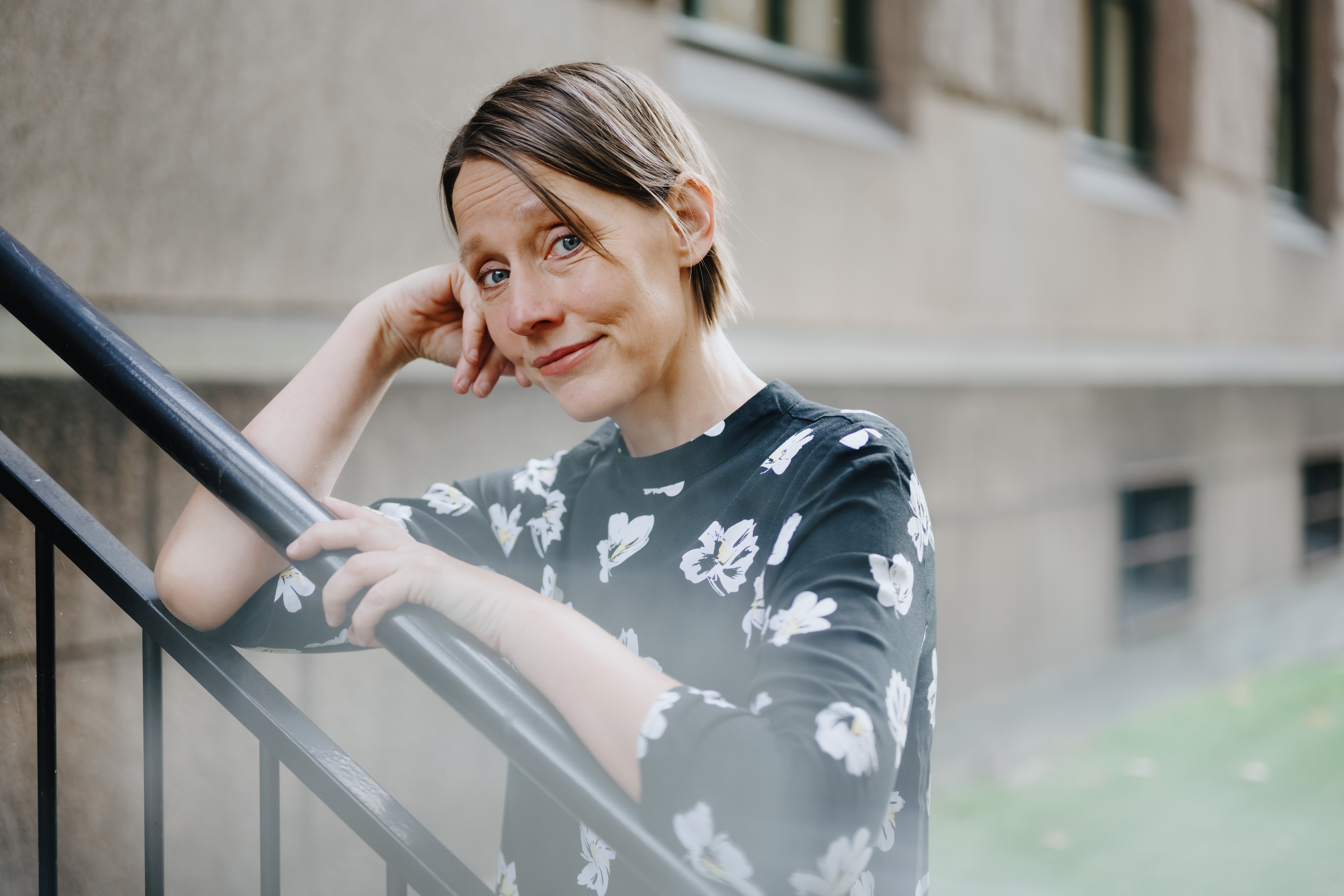
Norwegian writer Ingeborg Arvola in conversation with Norwegian-Estonian translator and poet Øyvind Rangøy
Thursday, May 14th
18:00
Tartu Public Library
Guntis Berelis (Latvia)
Guntis Berelis (born 1961) studied library science at university and briefly worked in a village library. He then became a literary critic, but in response to criticism of critics, he began creating fiction himself.
According to the website latvianliterature.lv, Berelis’s prose is characterised by postmodern scepticism towards unified thinking, an ironic play with cultural codes, and the deconstruction of traditional prose poetics.
Dubbed the enfant terrible of Latvian literature, Berelis has stated that a hallmark of a good story includes at least one corpse. His greatest literary influence is Stephen King. Although Berelis is not often included in the Latvian literary canon and not every school dares to invite him to speak, his works have received awards and nominations.
However, Berelis is much more versatile: besides his “horrific tales,” he has written the history of Latvian literature, published several collections of essays, and a children’s book titled Agnese and the Lord of Darkness. In his latest book, …to write… (2022), Berelis has gathered essays analysing various aspects of being a writer through his own experience and the works of world and Latvian classics, such as how to write the first sentence of a book, endure criticism, or whether alcohol supports or hinders writing, etc. Berelis has served as a prose consultant for the Latvian Writers’ Union.
The first of his works translated into Estonian were articles published in the magazine Keel ja Kirjandus and titled (as translated from Estonian): A Guide to Crossroads of Literature, or, a Brief Introduction to Latvian Prose of the 1990s (1999, translated by Ita Saks) and A Small Guide to Latvian Prose Territory (2013, translated by Merle Madisson).
Two books by Guntis Berelis have been published in Estonian: a collection of stories spiced with black humour titled Mr. Heidegger Likes Cats and Other Stories (Loomingu Raamatukogu 2022) and a historical novel Words Were of No Use (Mina Ise 2023), which reflects on the filming of the first silent film in Latvia in Ventspils in 1913 and the marauding activities during the revolution and war. Both books were translated into Estonian by Contra.
Berelis will participate in two Prima Vista warm-up events:
- May 8 at the Prima Vista Partner City Day in Viljandi
- May 7 at the Latvian Book Club in Biblioteek in Tartu
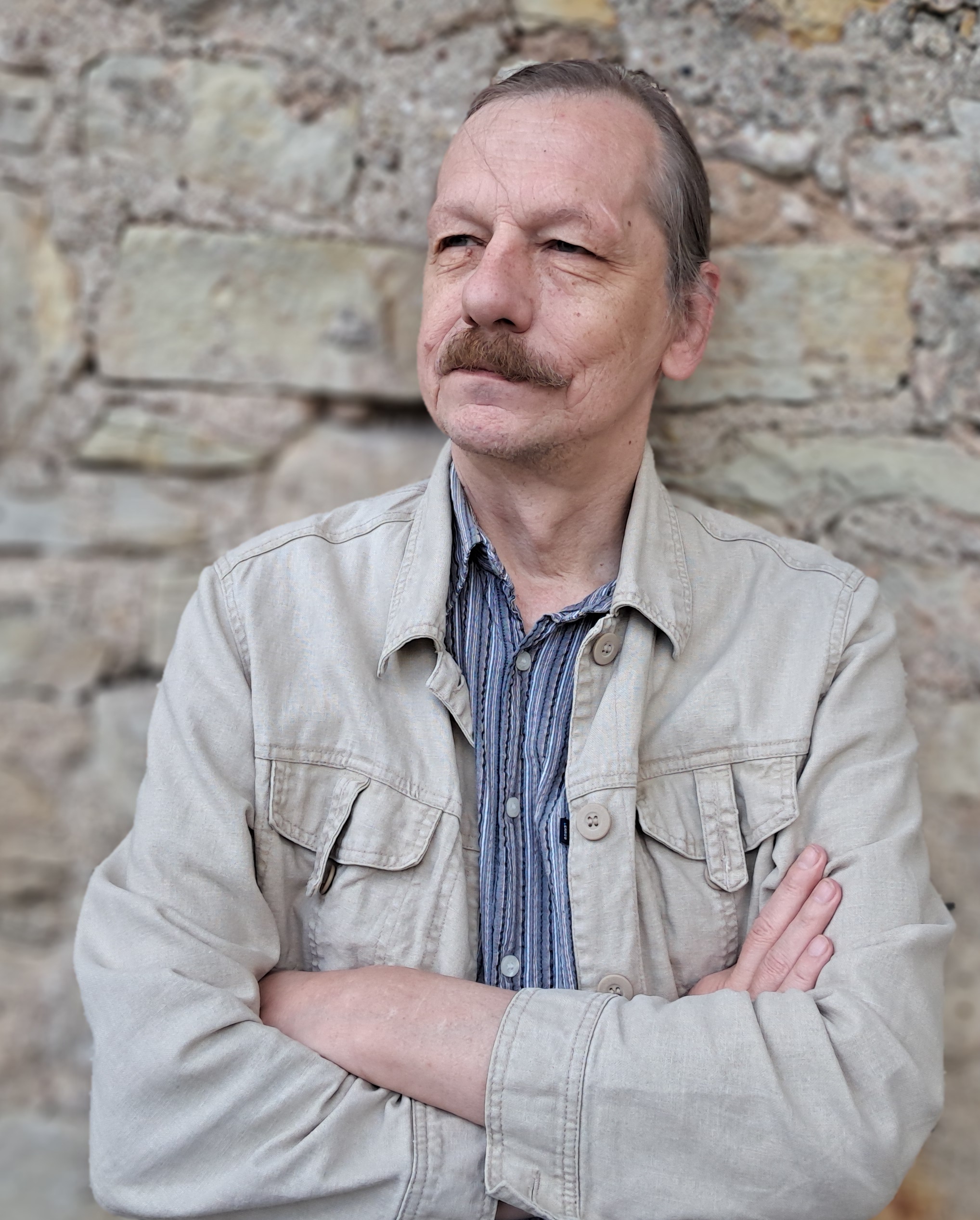
Prima Vista warm-up event. Meeting with Latvian author Guntis Berelis
Thursday, May 7th
18:30
Bookshop Biblioteek
Prima Vista partner city day in Viljandi
Friday, May 8th
Viljandi
Prima Vista partner city day in Viljandi
Claudia Kiefer (Germany)
Claudia Kiefer (born 1979) grew up in Stendal, East Germany, and has been living in Heidelberg for over 20 years. She primarily writes poetry and short stories. She is also a publisher, curator, and lecturer in German, and a member of the jury for the writing competition “Heimat(en)” organised by the UNESCO City of Literature Heidelberg and Heidelberg University.
In 2023, Claudia Kiefer’s poetry collection “Gezeiten” (“High Tide”) was published by Prosodia. Her works have appeared in anthologies from publishers such as Mikrotext, Wunderhorn, and Schule für Dichtung.
Currently, Claudia is working on texts for the writing competition “Heimat(en)” and is planning a book project that will also incorporate her photographs. She is interested in how places become a home through language, encounters, memories, and disruptions. She does not define home(s) as a fixed geographical point, but rather as a network of relationships that includes people, places, culture, and nature.
She is particularly intrigued by the question of how a sense of belonging is formed in a city that is in constant movement and change, and how literature can make these often invisible connections visible and even shape them.
Claudia Kiefer is coming to Tartu as an ambassador from UNESCO City of Literature Heidelberg, supported by a travel grant of the residency program organised by the Goethe Institute, the Tartu German Culture Institute, and the literary festival Prima Vista.
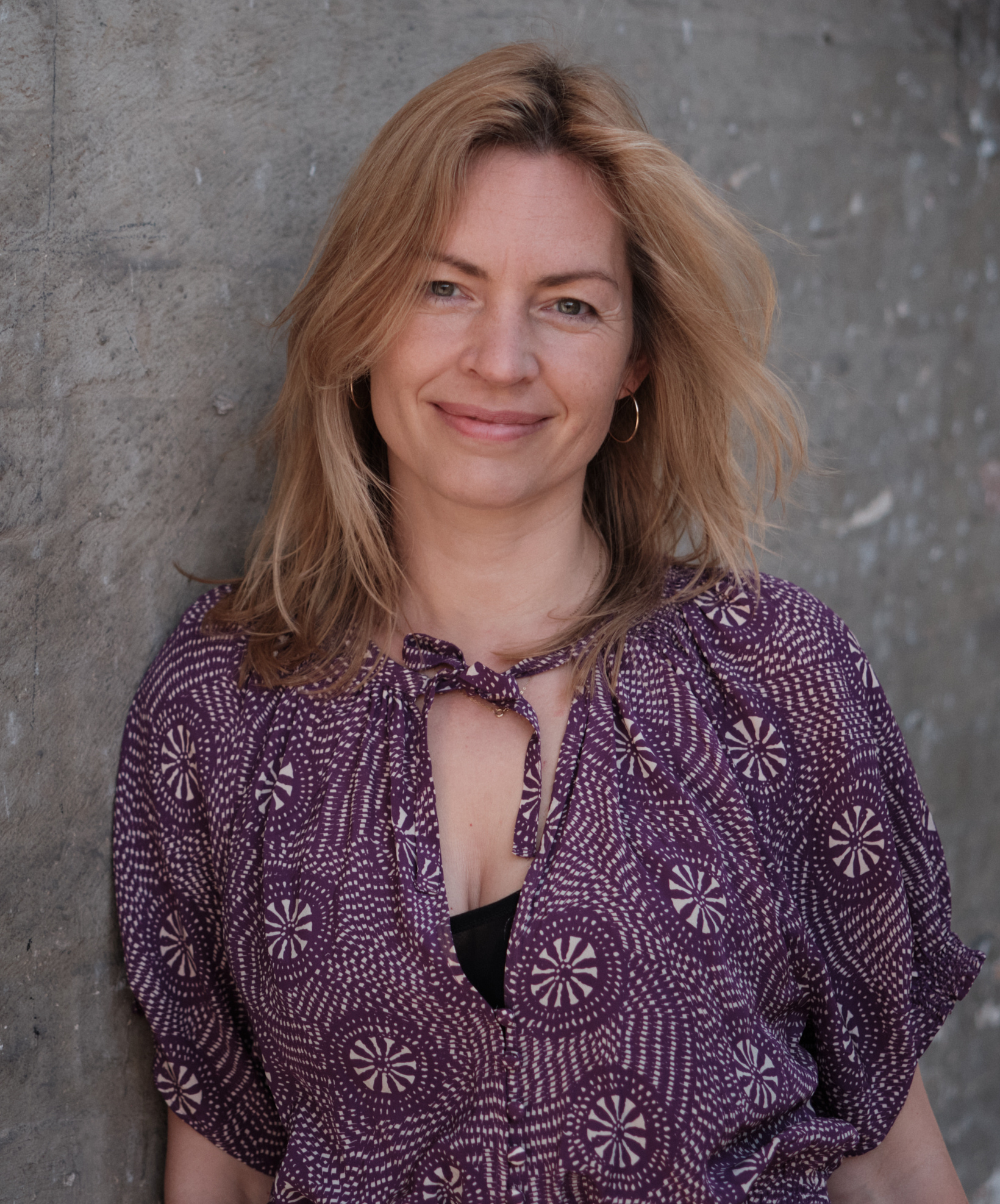
Discussion with German writers Ursel Bäumer and Claudia Kiefer
Thursday, May 14th
16:00
Tartu Public Library
Marianna Oklejak (Poland)
Marianna Oklejak is born in 1981. She is an illustrator, graphic designer and author of children’s books. In 2006, she graduated (with honours) from the Department of Book Design and Illustration at the Faculty of Graphic Arts, Academy of Fine Arts in Warsaw.
She is the author of picture books for the youngest (Liczby [Numbers], Kolory [Colours] and Przeciwieństwa [Opposites]) inspired by native folklore. Reaching for elements of folk aesthetics is a theme gesture in her work – we see it, of course, in her book Cuda Wianki. Polski Folklor dla Młodszych i Starszych [Cuda Wianki: Polish Folklore for the Younger and for the Older] (2015), in her later publication Cuda-niewidy. Zagadki dla Młodszych i Starszych [Cuda-niewidy: Riddles for the Younger and for the Older] (2017), and in the illustrations to the folk tales compiled by Justyna Bednarek, entitled Maryjki. Opowieści o Matce Boskiej [Maryjki: Tales of the Virgin Mary] (2021). Her illustrations have also been featured on clothes, accessories and booklets from the Kochamy Folk [We Love Folk] collection of the Chmurrra Burrra brand, which combines aesthetics created by the best Polish illustrators with good quality products for children.
Together with Zofia Stanecka – responsible for the text content – she created a series of books about the five-year-old Basia, described as ‘the heroine of all preschoolers’. The series consists of Basia and Money, Basia and Rubbish, Basia and Sickness – all episodes present topics that may seem difficult for a young person in an accessible way.
She illustrated Roksana Jędrzejewska-Wróbel’s book series: Siedmiu Wspaniałych i Sześć Innych, Nie Całkiem Nieznanych Historii [The Magnificent Seven and Six Other Not Quite Unknown Storie]s (2019) and Siedem Szczęśliwych. Baśnie Nie Dość Znane [The Happy Seven: Fairy Tales Not Known Enough] (2022), as well as the book Królewna [The Princess] by the same author. The Magnificent Seven… and The Princess are award-winning entries in the Empik competition for the Best Children’s Book ‘Przecinek i Kropka’ and included in the Golden List of ‘All of Poland Reads to Children’.
Her works have been awarded and honoured many times: in 2011 she received graphic distinctions from the Polish section of the IBBY for three works (for illustrations to Janusz Korczak’s books King Matt the First and King Matt on a Desert Island and for illustrations and graphic design of the book Boom! Boom! Boom!!! (with text by Przemek Wechterowicz). A year later, the book Jestem Miasto. Warszawa [I am a City. Warsaw] with its illustrations and text by Aleksandra Szkoda won the graphic design prize in the Book of the Year competition of the Polish section of the IBBY, as well as a nomination from the adult jury and a mention from the children’s jury for the Donga Award. In 2015, the publication Cuda Wianki. Polski Folklor dla Młodszych i Starszych, created entirely by Oklejak, won the graphic design award for Book of the Year, and was also included on the Children’s Book Museum’s Treasures List. The book she illustrated, Boom! Boom! Boom!!!, also appeared on the list.
Source: Culture.pl (https://culture.pl/en/artist/marianna-oklejak)
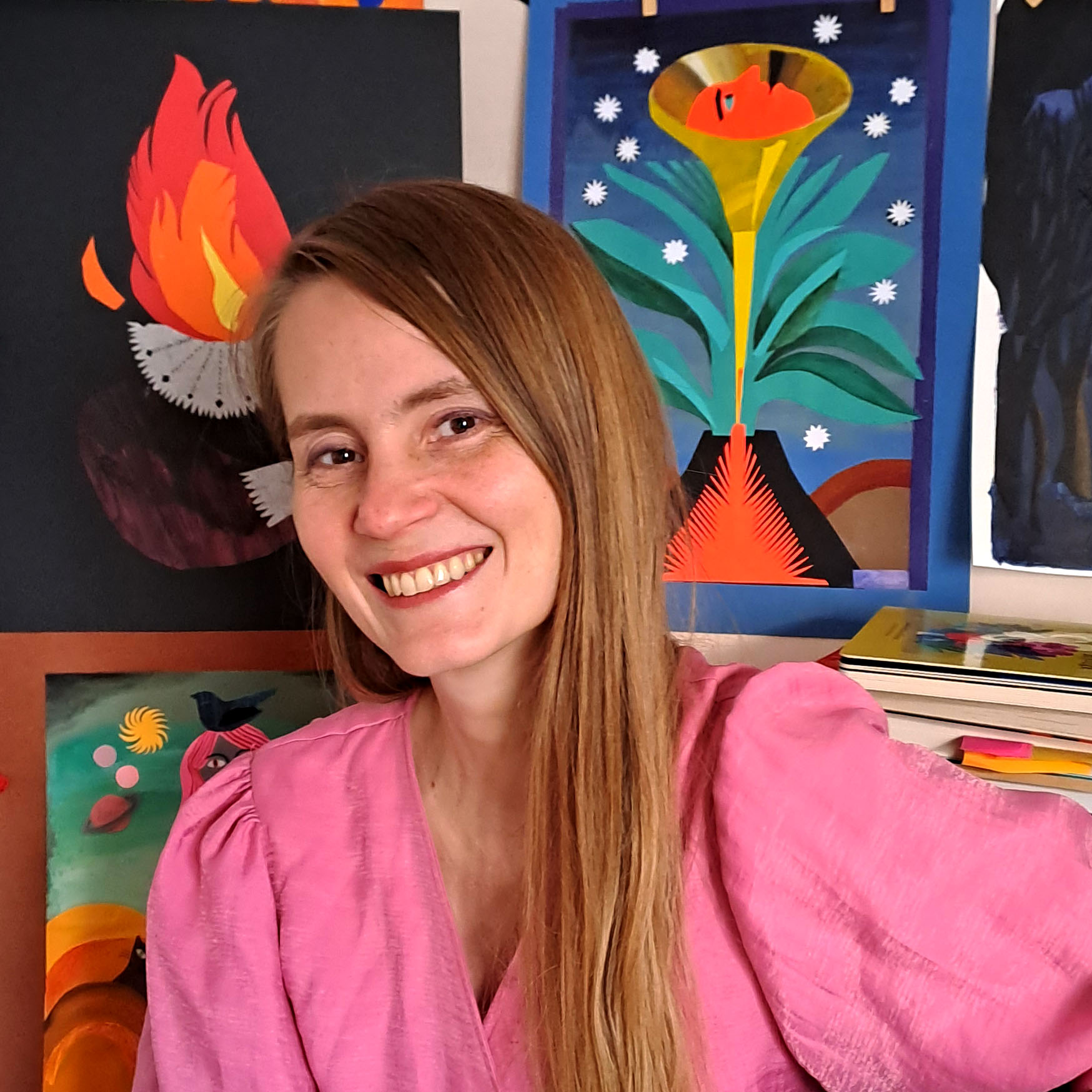
Exhibition of illustrations by Polish artist and children’s book author Marianna Oklejak
22.04–19.05.2026 at the Tartu Public Library
Meeting with Marianna Oklejak
Friday, 15 May at 11:00 at the Tartu Public Library
Marianna Oklejak illustration workshop
Friday, 15 May at 11:00 at the Tartu Public Library