Norman Ohler (Germany)
Norman Ohler (b. 1970) studied at the Hamburg School of Journalism and has worked as a journalist in various parts of the world during the 1990s. Ohler has authored detective and historical novels as well as non-fiction. His debut novel, The Quota Machine (“Die Quotenmaschine”), published in 1995, is considered the very first novel to be published on the internet.
Ohler gained international fame with his first non-fiction book, Blitzed: Drugs in the Third Reich (“Der totale Rausch”, 2015), which explores the role of psychoactive drugs during World War II. To write the work, which is based on extensive documentary source material, the author spent five years digging through archives in Germany and the USA. The book became an international bestseller and has since been translated into 30 languages.
In the book The Strongest Stuff (“Der stärkste Stoff”, 2023), Ohler examines psychedelics as medicine, weapons, and recreational stimulators, investigating how the development, production, and distribution of psychedelic substances have shaped post-WWII politics and society to the present day. Both non-fiction books have been published in Estonian by Helios, translated by Elina Adamson.
In 2024, marking the 100th anniversary of the publication of Thomas Mann’s novel The Magic Mountain, Ohler released his most recent work, The Magic Mountain: The Full Story (“Der Zauberberg, die ganze Geschichte”, Diogenes). In this non-fiction book with a literary flair, Ohler looks behind the scenes of Mann’s The Magic Mountain, showing that the fame of the novel’s setting – the city of Davos – is based on fiction: an artificially created illusion that has become a myth.
Ohler boldly paraphrases Mann’s text, remixing it with his own, and describes the development of Davos from a poor mountain village into a symbol of wealth embodied by tuberculosis sanatoriums, ski resorts, and the World Economic Forum. At the same time, nothing is as it seems at first glance – starting with the fact that, to this day, there is no scientific proof of the curative properties of Davos’s mountain air for consumption.Thomas Mann began dismantling the image of Davos, and inspired by Mann’s novel, Ohler follows the same path, attempting both to bring The Magic Mountain back into focus for new generations and to save it from falling into oblivion. An excerpt from the work, translated by Anne Arold, can be read in this year’s April issue of the journal Akadeemia.
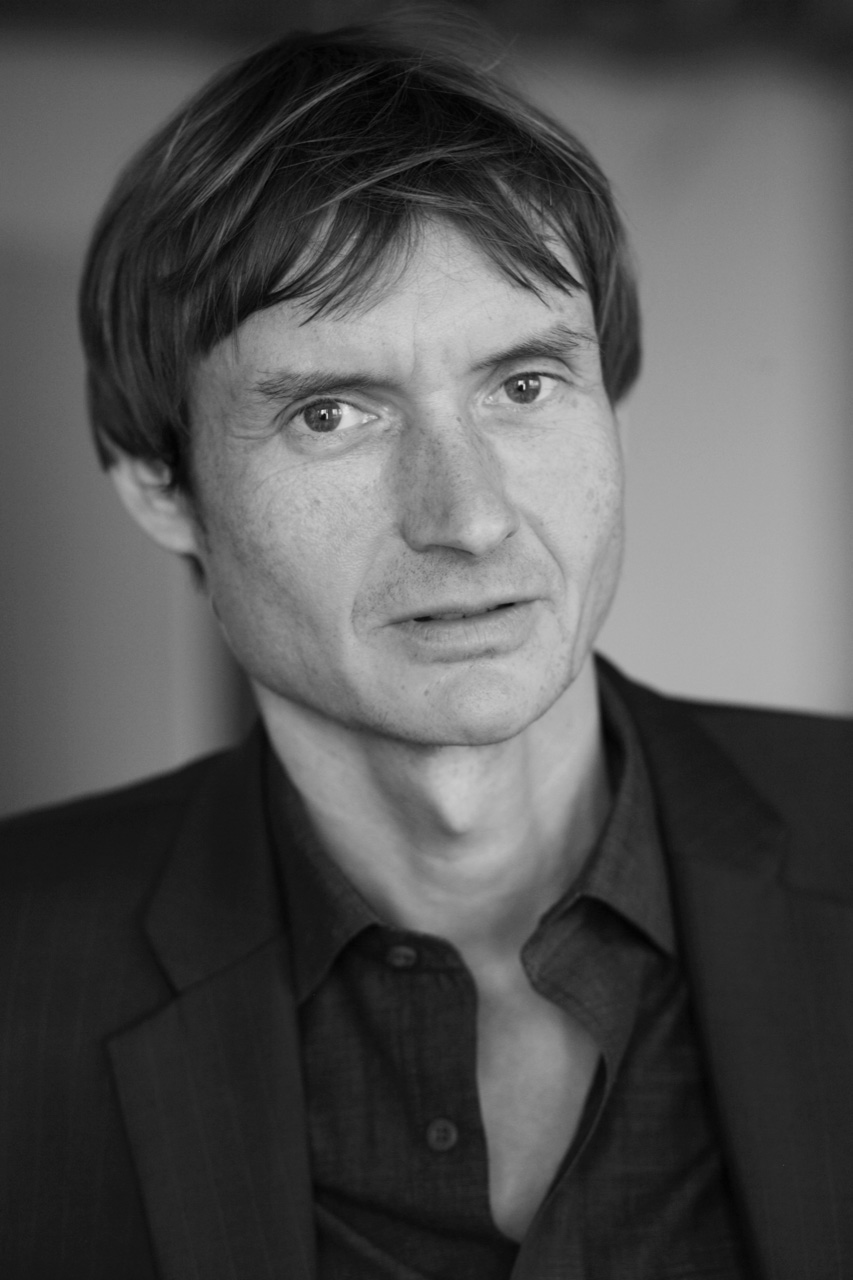
German author Norman Ohler in conversation with Olaf Mertelsmann (Professor of East European History at the University of Tartu)
Tuesday, May 12th
17:00
Tartu Public Library